Bruxism
Comprehensively addressing the damages to the joints, muscles, teeth and periodontium due to the action of bruxism with a dysfunctional occlusion.
Every person grinds their teeth whether consciously or not, whilst awake or asleep. Those suffering from a damaging bruxism inevitably suffer from a dysfunctional occlusion. While we do not treat bruxism per se, we correct the occlusion to allow for the safe grinding of teeth.
For decades, bruxism has been regarded as a solely destructive behaviour associated with severe enamel and dentin damage caused by attrition. Common treatment suggestions typically included electrostimulation, botulinum toxin injections, physiotherapy, hypnosis, and the lifelong wearing of night guards.
More recently, however, bruxism has been recognised as an important and beneficial physiological function. Patients and professionals alike ought to distinguish between two types of bruxism:
Bruxism with a dysfunctional dental occlusion
An inadequate occlusal scheme often leads to excessive muscle activation as a result of an uneven and unsustainable distribution of forces on misaligned teeth with unsatisfactory contacts, thereby increasing the duration and intensity of bruxism episodes. These effects can cause considerable damages to the temporomandibular joints, muscles, periodontal tissues (gum), supporting bones, and dentition.
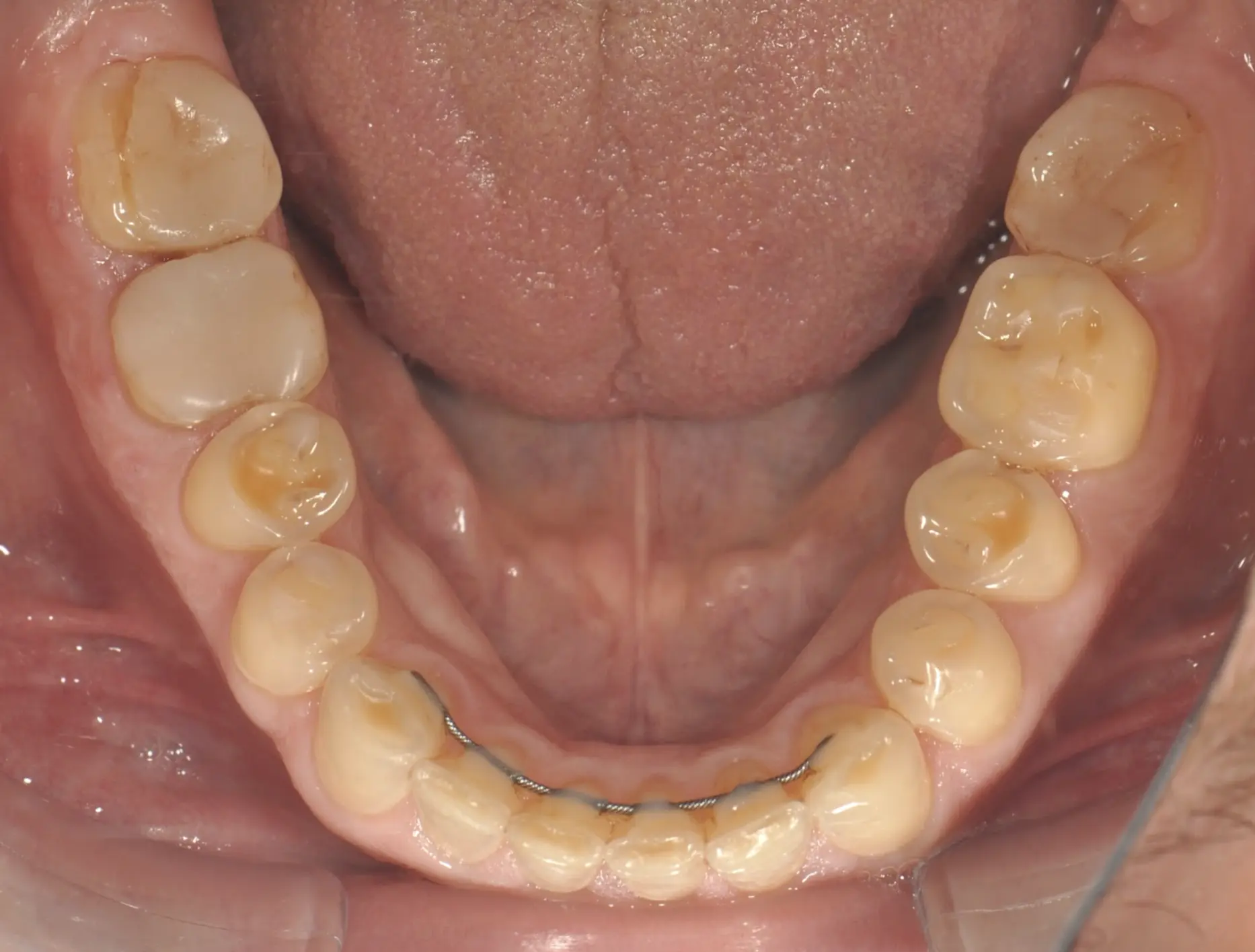
Pathological attrition (dental wearing) due to a dysfunctional bruxism
Bruxism with a physiologically sound dental occlusion
A harmonious occlusal scheme allows for a balanced distribution of forces, and prevents excessive muscle activation, thus reducing the duration and intensity of bruxism episodes. A safe bruxism may support limbic system function, stress hormones regulation, and the body's ability to cope with external stressors. Additionally, such physiological bruxism has been associated with the regulation of inflammation, body temperature, blood pressure, and some anti-aging effects.
For all of our patients, we aim to establish a personalised occlusal scheme that allows for the physiological benefits of bruxism to occur safely and effectively. By harmonising the bite, occlusal contacts, and mandibular position, we support systemic physiological regulatory processes that extend to the body as a whole, beyond the stomatognathic system. This approach has been supported by seminal Japanese research [1, 2], and further reinforced by our own positive clinical experience over the last two decades.
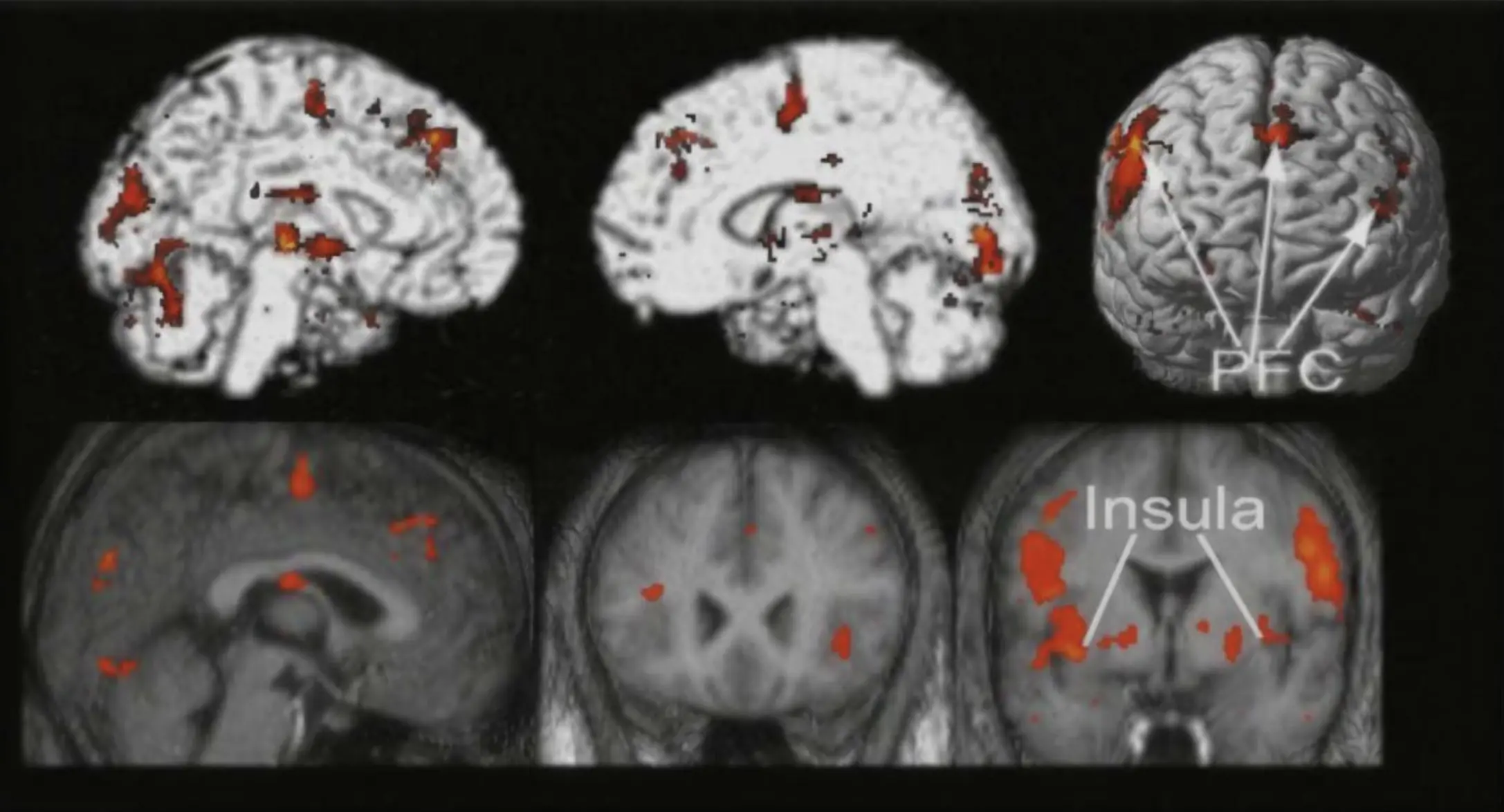
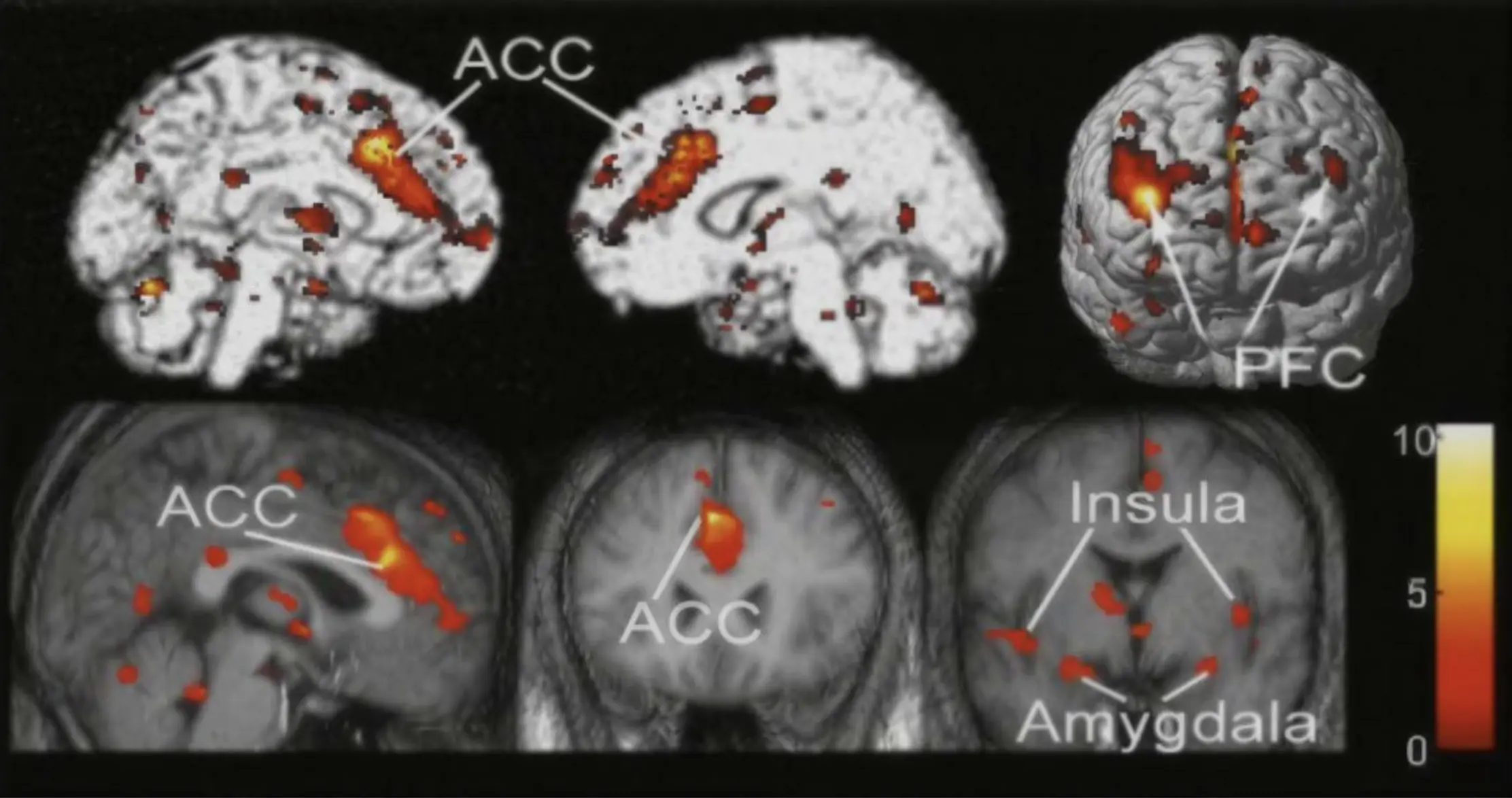
Brain activity (limbic system hyper responsiveness) whilst bruxing with a functional (left) and dysfunctional occlusion (right) [2]
[1] Prof. Kenichi Sasaguri
https://www.researchgate.net/profile/Kenichi-Sasaguri
[2] Otsuka, Takero, et al. “Influence of the TMJ Position on Limbic System Activation – an fMRI Study.” Journal of Craniomandibular Function, vol. 3, no. 1, 2011, pp. 29–39.