Complex Functional and Aesthetic Rehabilitations
The most comprehensive treatment type to support patients in need of a total rehabilitation.
Complex rehabilitations generally require an interdisciplinary approach including both functional orthodontics and prosthetics, in order to restore the function, aesthetics, and health of the entire mouth. What does complex mean though in the field of dental rehabilitations?
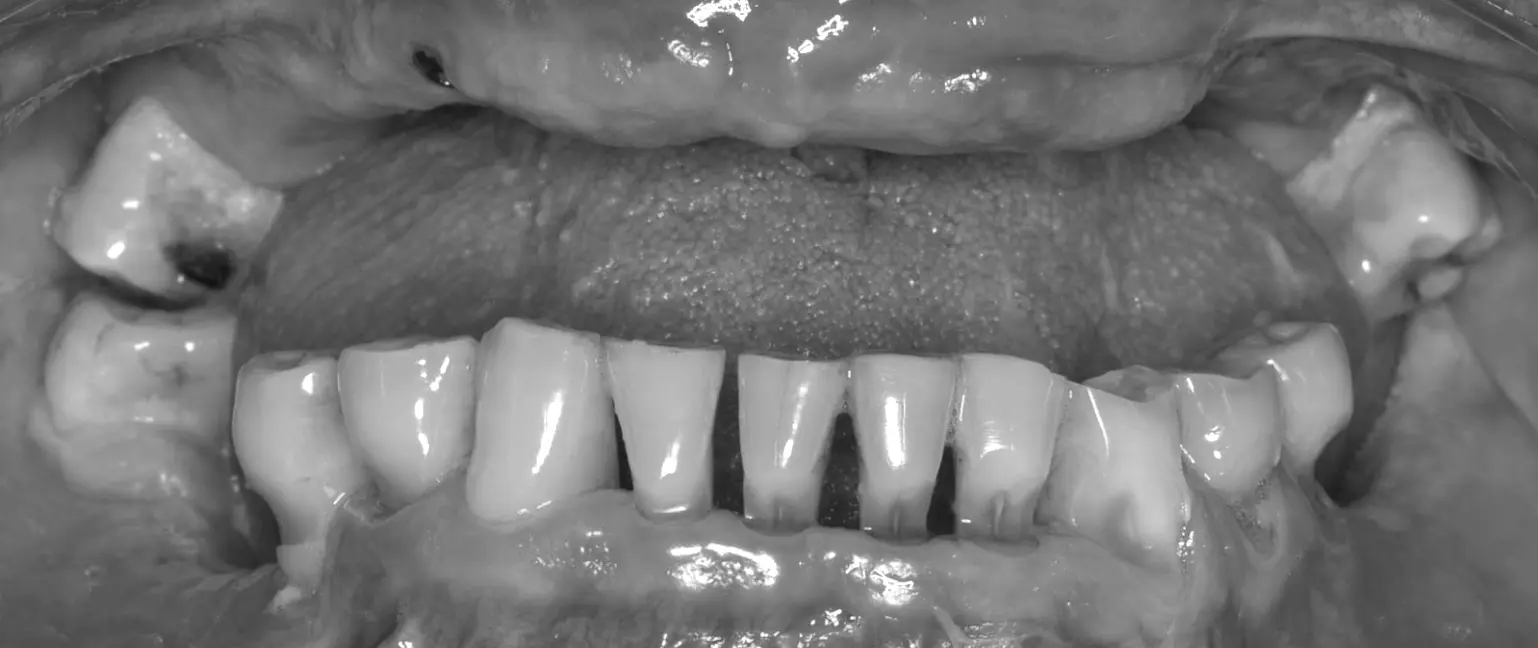
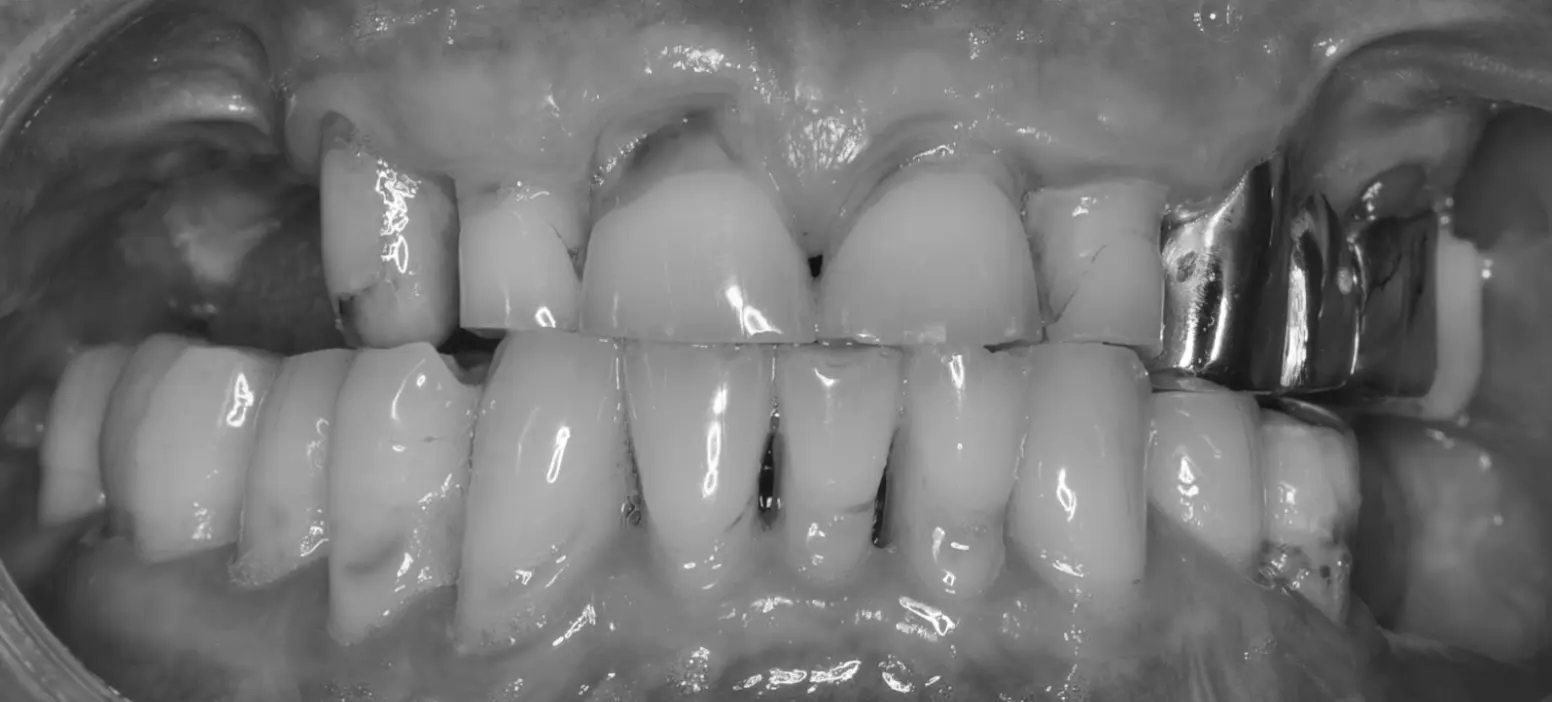
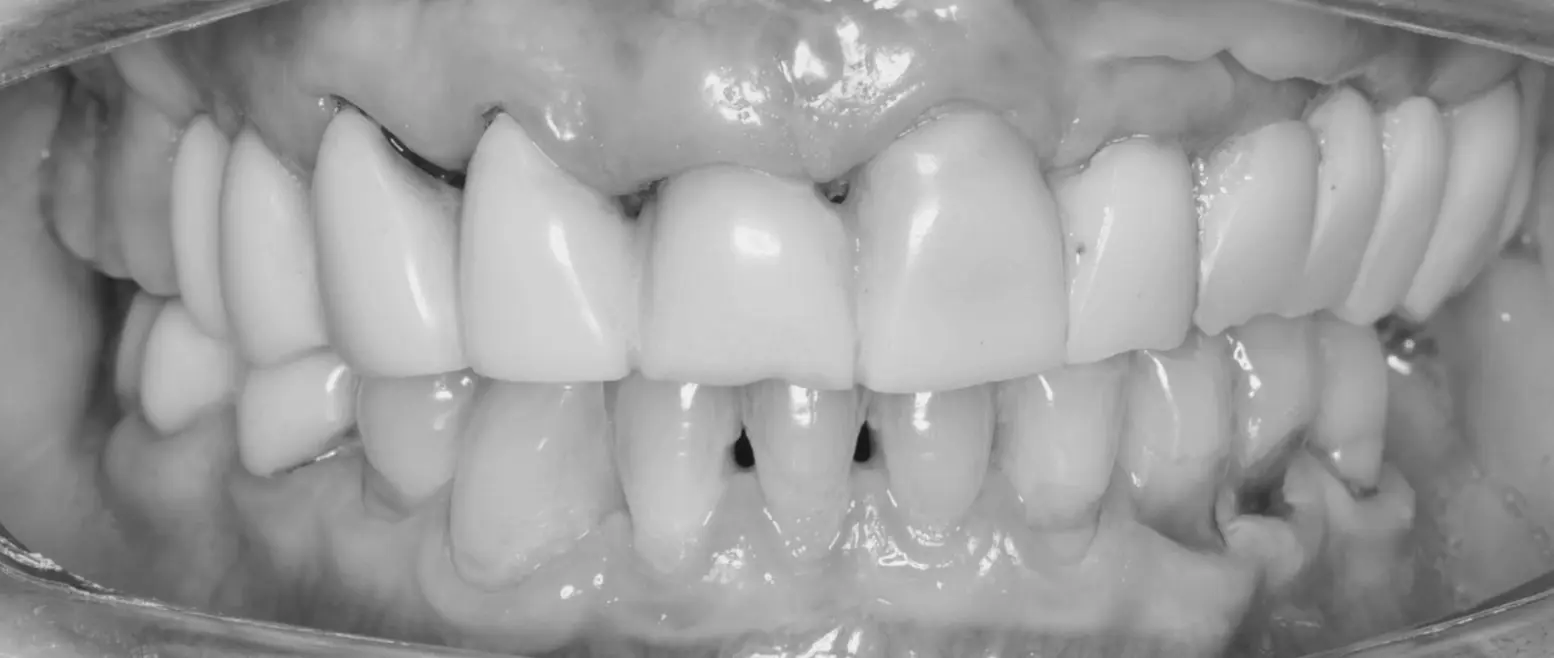
Examples of complex cases treated
From our perspective, complexities stem from multiple combinations of the following:
Missing of several or all teeth
Severe teeth attrition (due to malocclusion, bruxing and clenching)
Erosions and discolorations (due to hypoplasia, fluorosis, devitalised teeth)
Asymmetries due to failed treatments
Asymmetries due to a dysfunctional occlusion and uneven loading distributions
Asymmetries due unilateral chronic pain, and mastication (chewing) avoidance patterns
Re-treatment of previously unsuccessful rehabilitations, with associated symptomatic issues (muscles and TMJ pain, with headaches or migraines).
Diagnostic and checks
Photoprotocol, muscle palpation and anamnesis, occlusograms, brux-checkers, condylography, mounted casts with a kinematic face-bow, lateral and frontal x-ray (cephalometric analysis), complementary evaluations if required (osteopath or physiotherapist, and specialised medical professionals [ORL, cardiologist, endocrinologist, etc.]).
Laboratory
For all prosthetic cases and rehabilitations, we exclusively work with a select number of specialised laboratories, which prioritise function, excellence, and individualised approaches. Due to the precision of their work, these exceptional craftsmen can only complete a handful of cases per year.
Treatment
An entirely tailored treatment would involve either full or partial reconstructions of the lost teeth or their missing structures, with the aim of creating a harmonious smile with a better mastication requiring less effort for the maxillo-facial muscles. The correction of the occlusal plane would in turn promote a smoother joint and teeth function, thereby protecting the overall dental structure. A complete rehabilitation may be divided into five key steps:
Splint therapy
Prior to commencing a long-term rehabilitation project, we often first need to test the patient’s new therapeutic position on a custom-made, removable splint. The splint mirrors all the functional characteristics of the future bite, thereby allowing the patient to observe the release of muscle tensions, the unloading of the TMJ, the disappearance of headaches, the restoration of a facial symmetry, and general aesthetic improvements (lip support, finer expression lines, rhytids diminution).
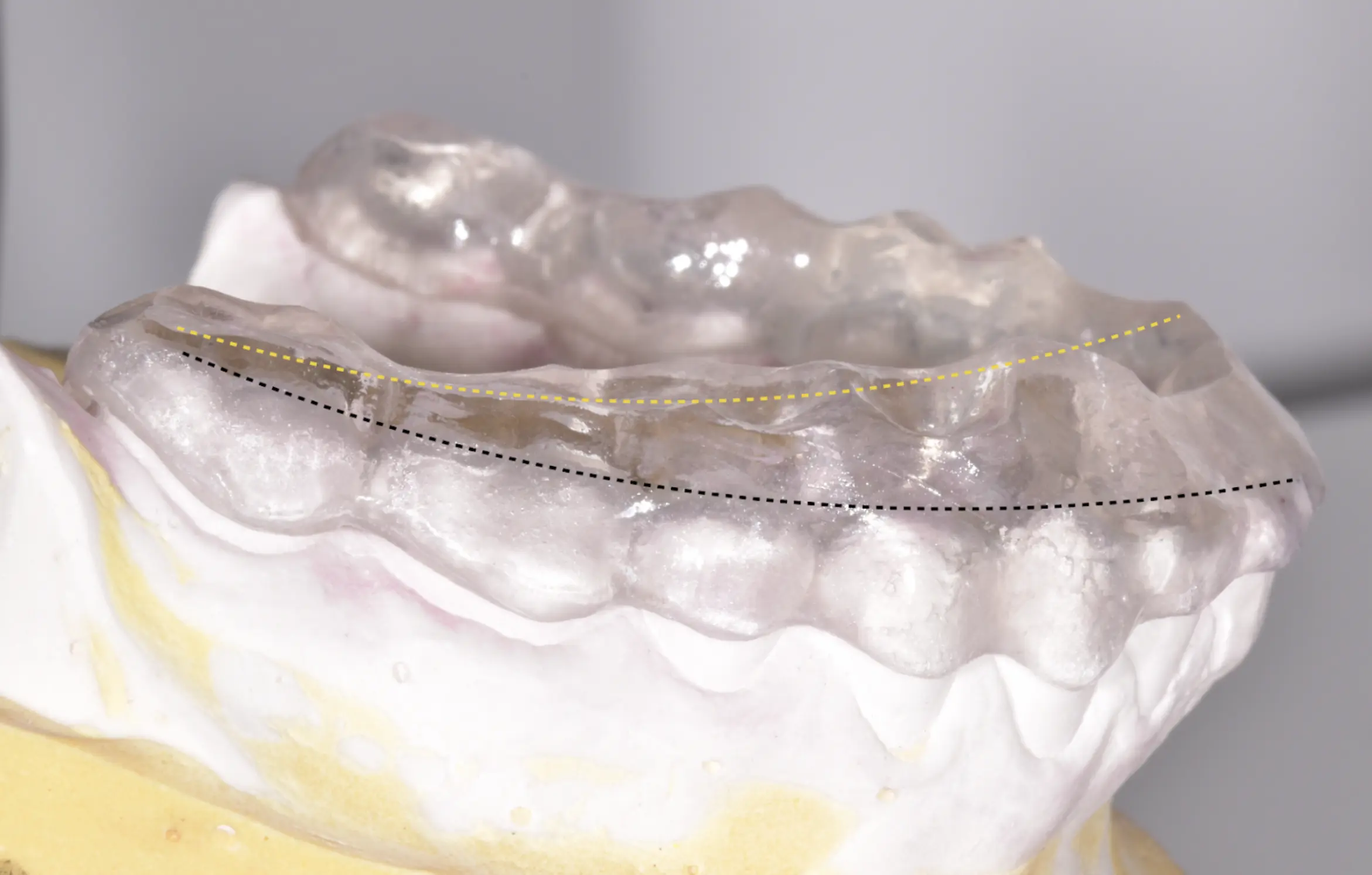
Splint (temporary mouthguard to test the future therapeutic position). The yellow line highlights the desired change of occlusal plane
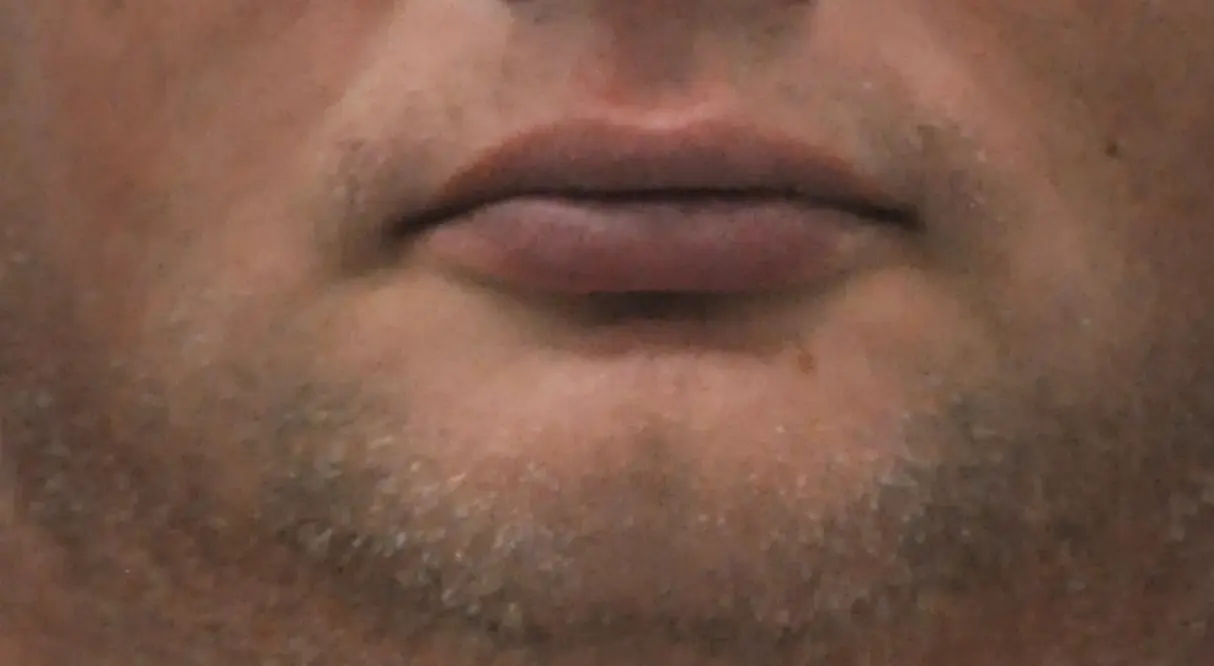
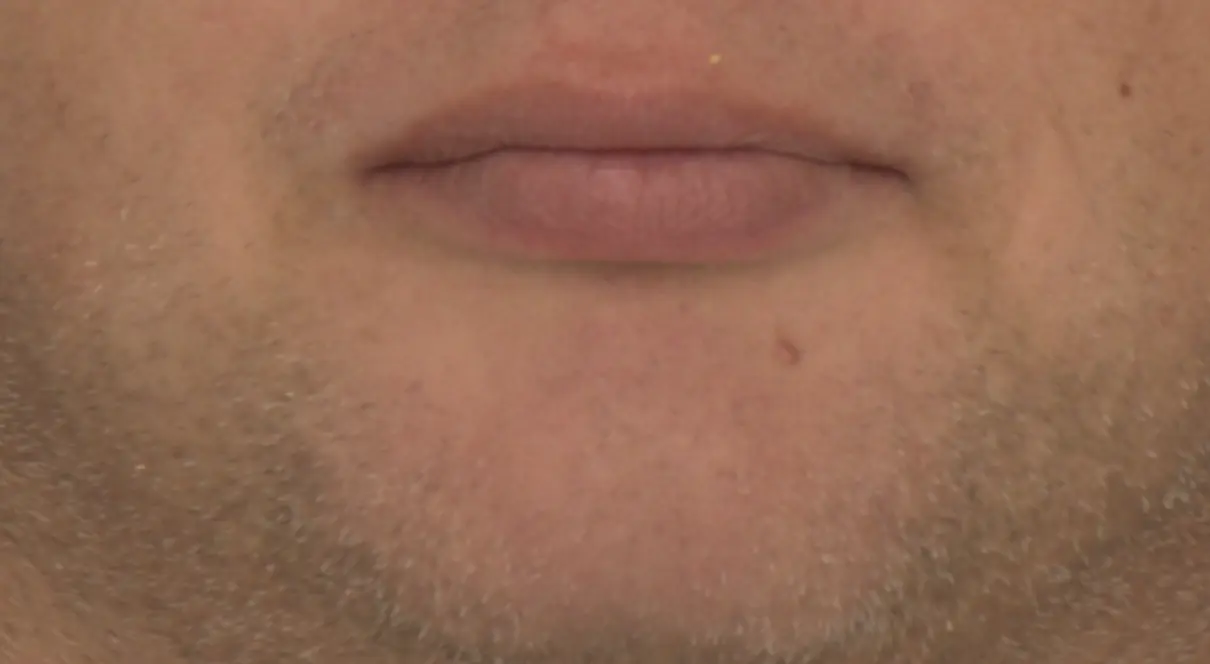
Soft tissue support after rising the vertical dimension (in a new therapeutic position)
Wax-up project
Using the data from the functional diagnostic, we provide the selected laboratory with the specific functional and aesthetic parameters (individual occlusal plane aligned with the TMJ, size and anatomical shape of the natural teeth) needed for the precise preparation of the patients’ wax-up.
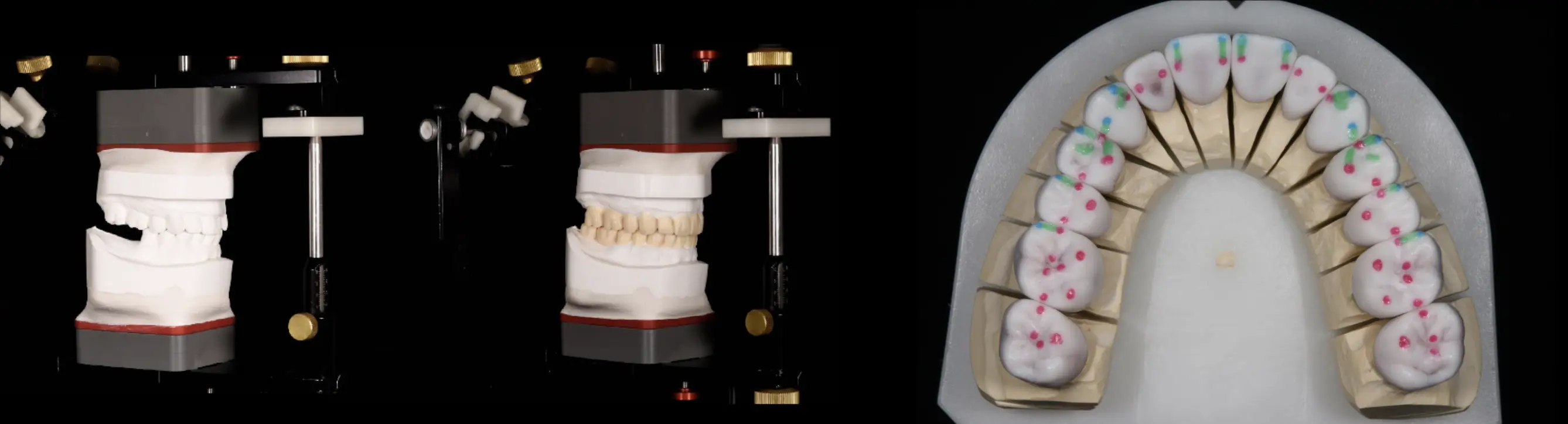
Functional wax-up (wax project for the future rehabilitation)
Mock-up project
Prototype of the future rehabilitation realised with silicon keys at the clinic, and directly fixed on the patient’s teeth to evaluate the comfort level and fine-tune the aesthetic objectives.
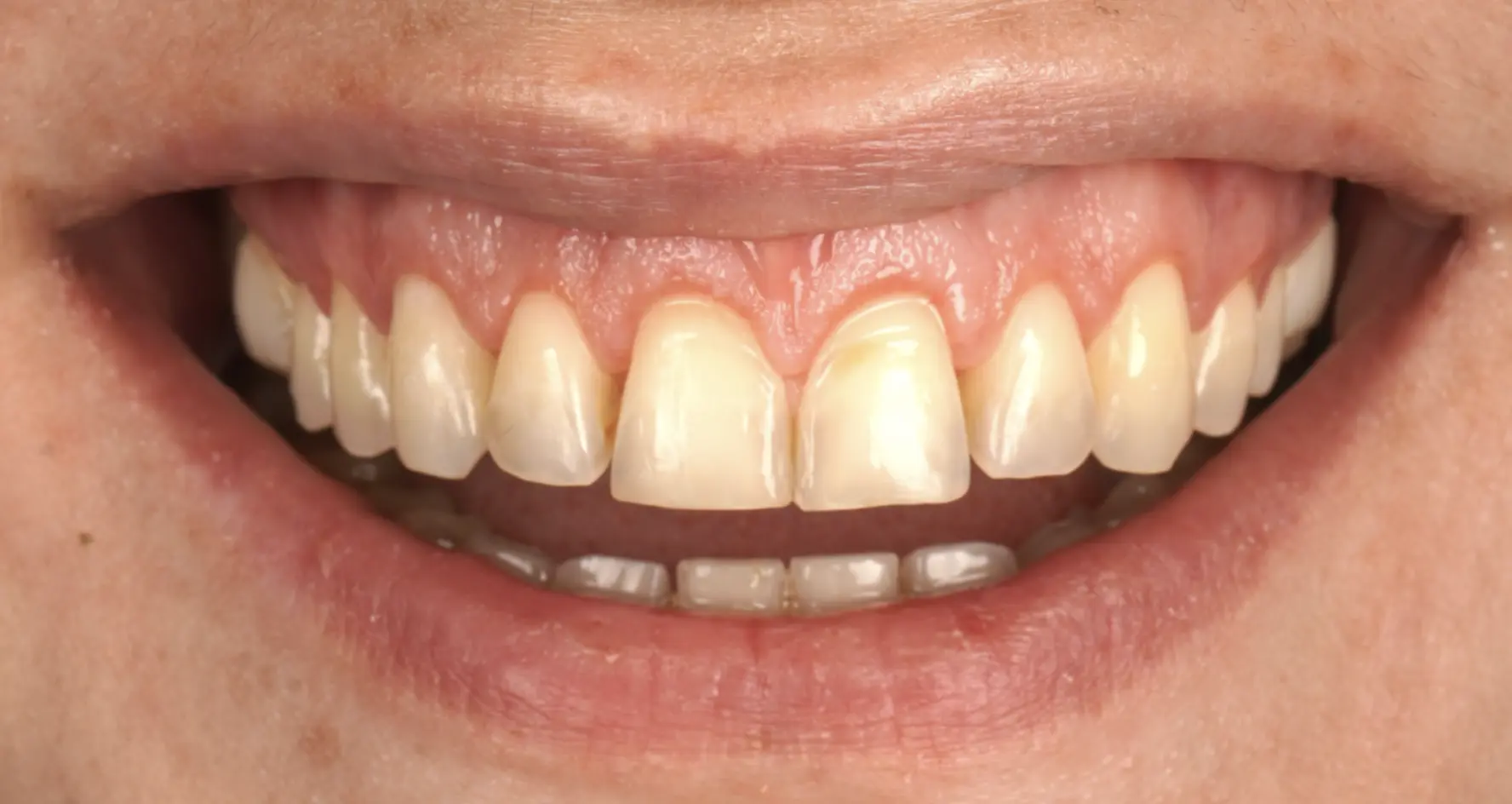
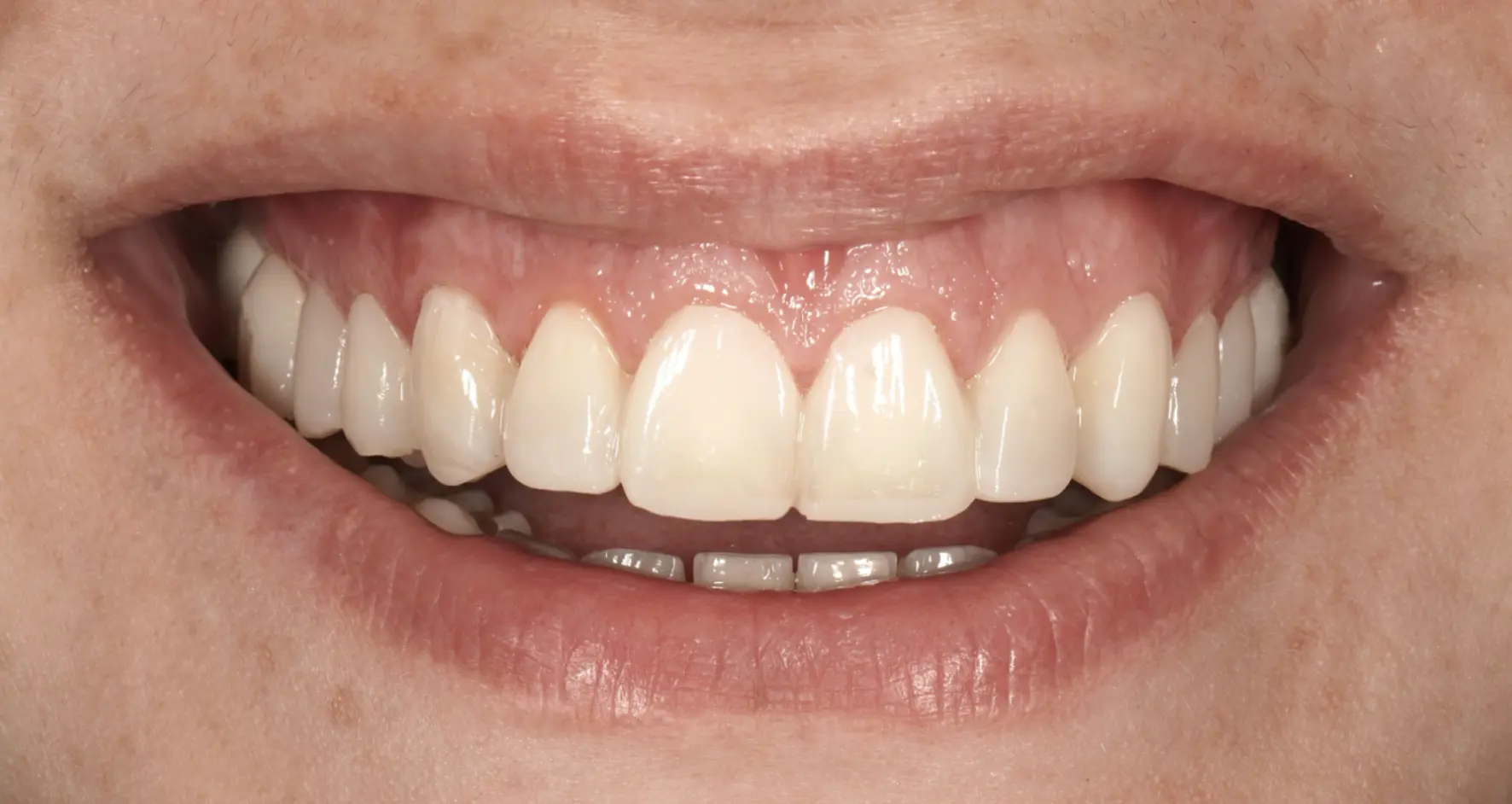
Mock-up of frontal teeth
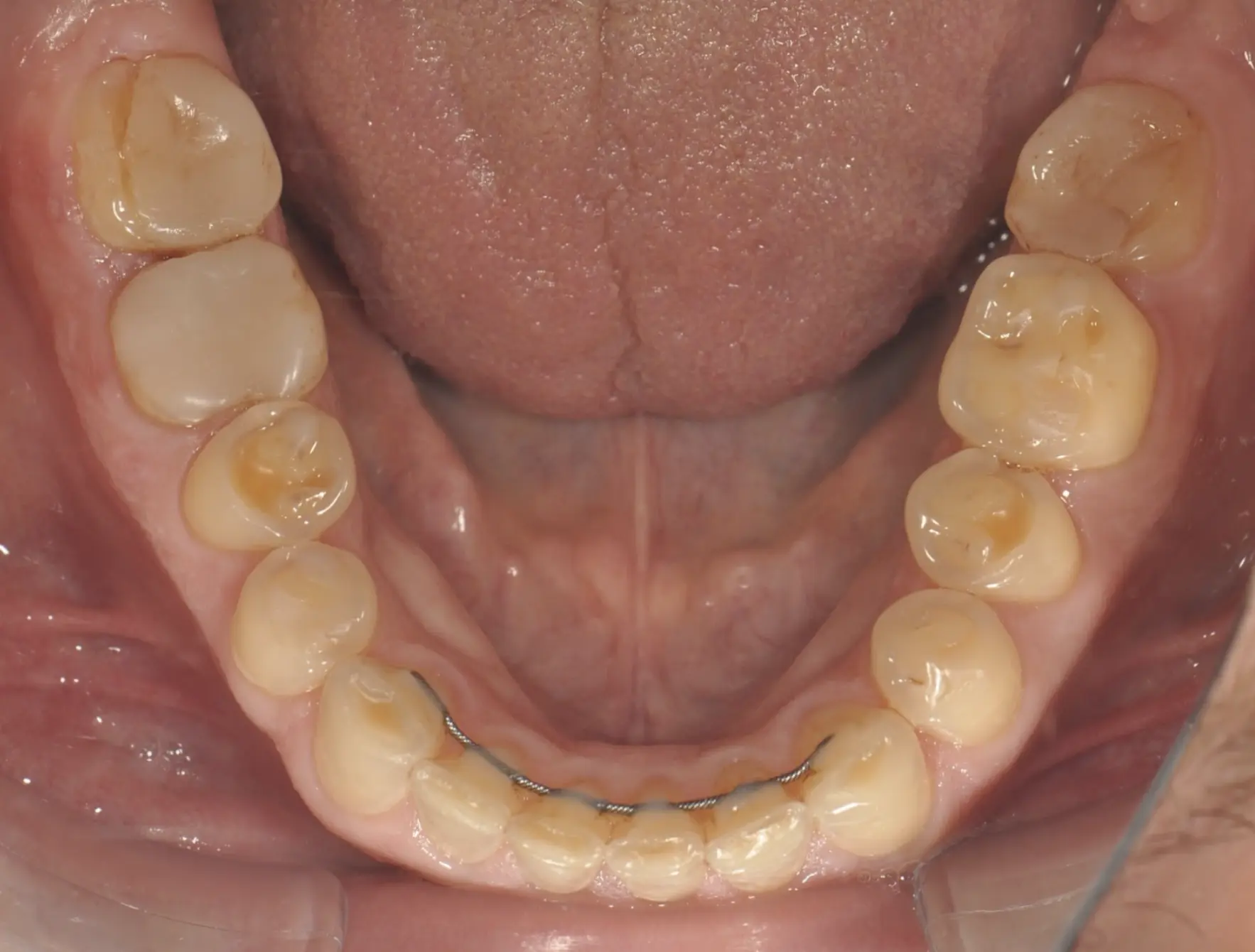
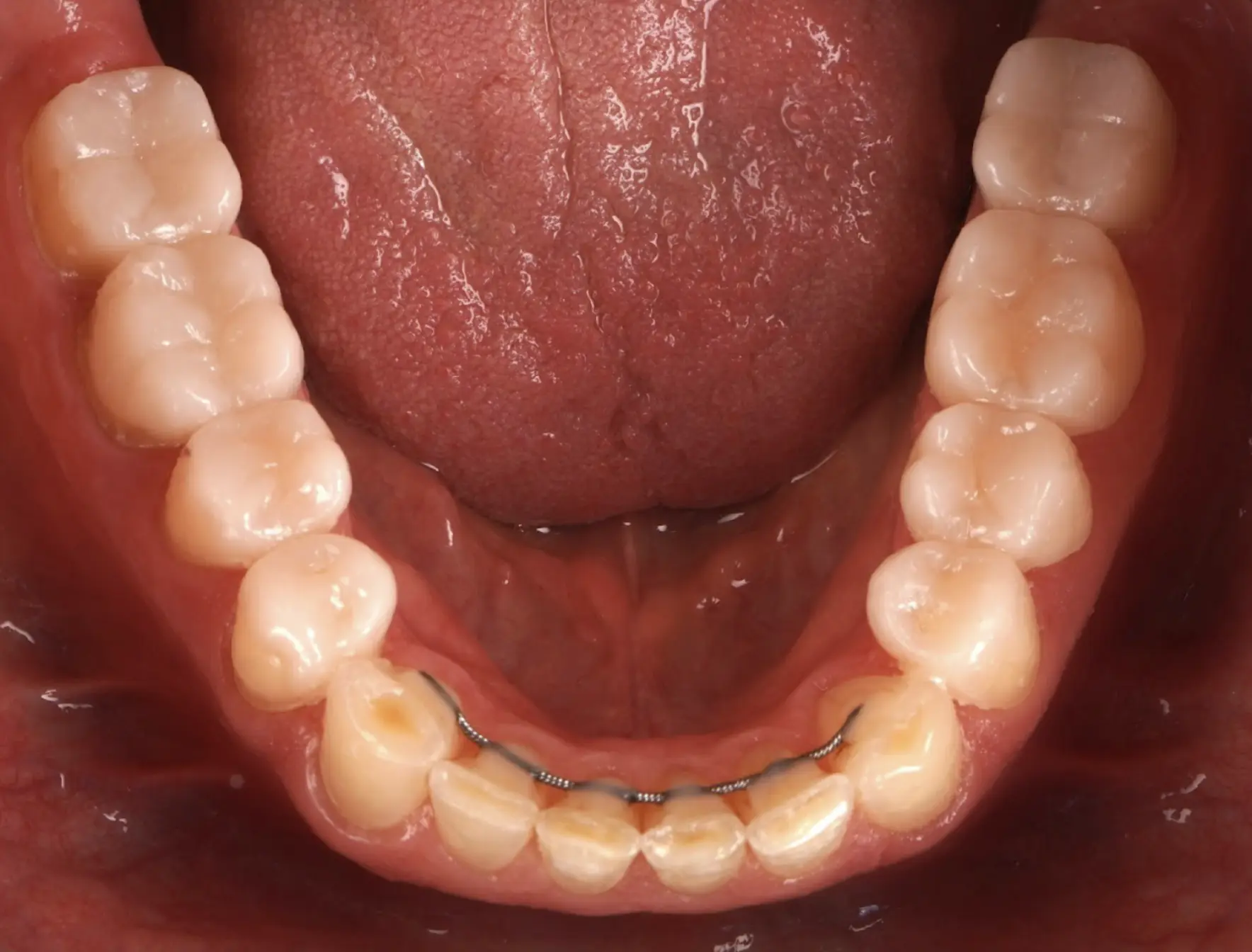
Mock-up of posterior teeth
Temporary rehabilitation
For most patients, a temporary rehabilitation will be required subject to the diagnostic findings and the treatment plan established to achieve an adequate therapeutic position. This position corresponds to the optimal reference points between the upper and lower jaws, to ensure a functional occlusion and therefore a sound protection of the teeth, joints, and muscles. This intermediate phase, which may last 3-18 months, helps the muscles and joints to adapt while granting additional time to refine the gum’s profile, when awaiting for the definitive prosthetics.
Once the provisional restorations are set, adjunctive osteopathic or physiotherapeutic support may help to accelerate the desired outcomes by further facilitating the joints and muscle adaptation. Aesthetically, adjustments to both the form and size of the teeth can be made during the temporary phase, affording another opportunity to fine-tune the final results. Depending on the clinical case, more than one set of provisional restorations might be required
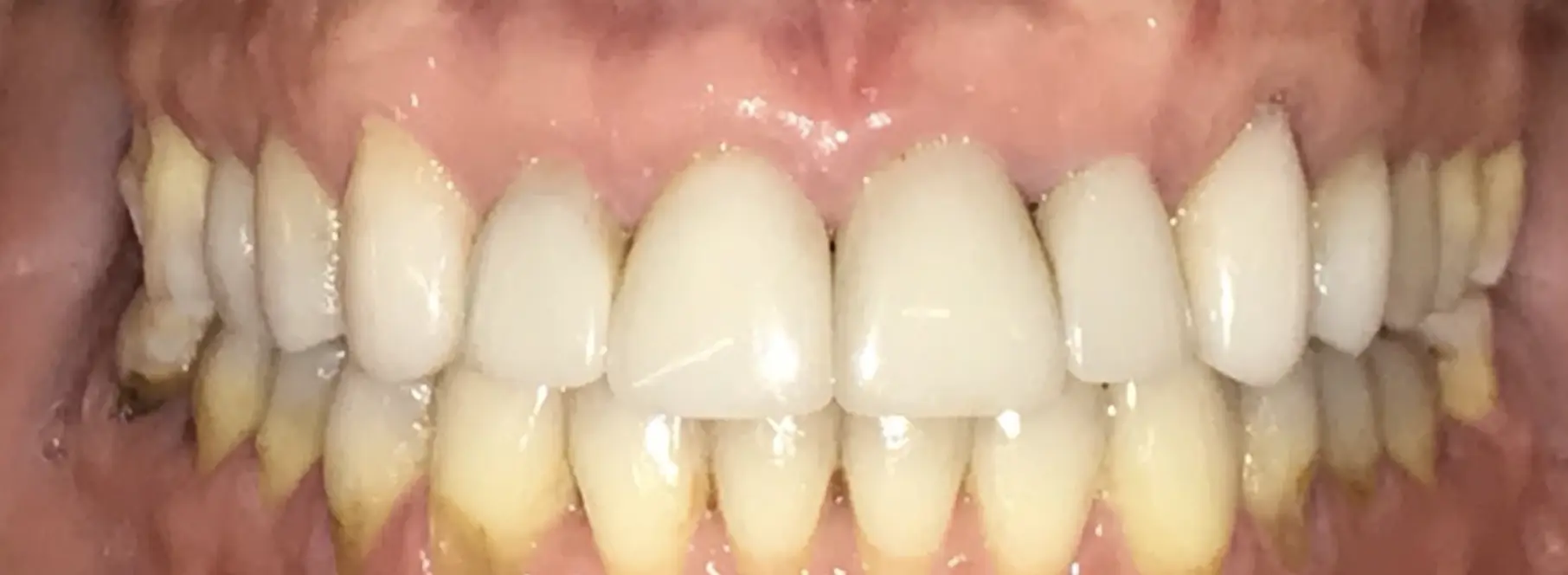
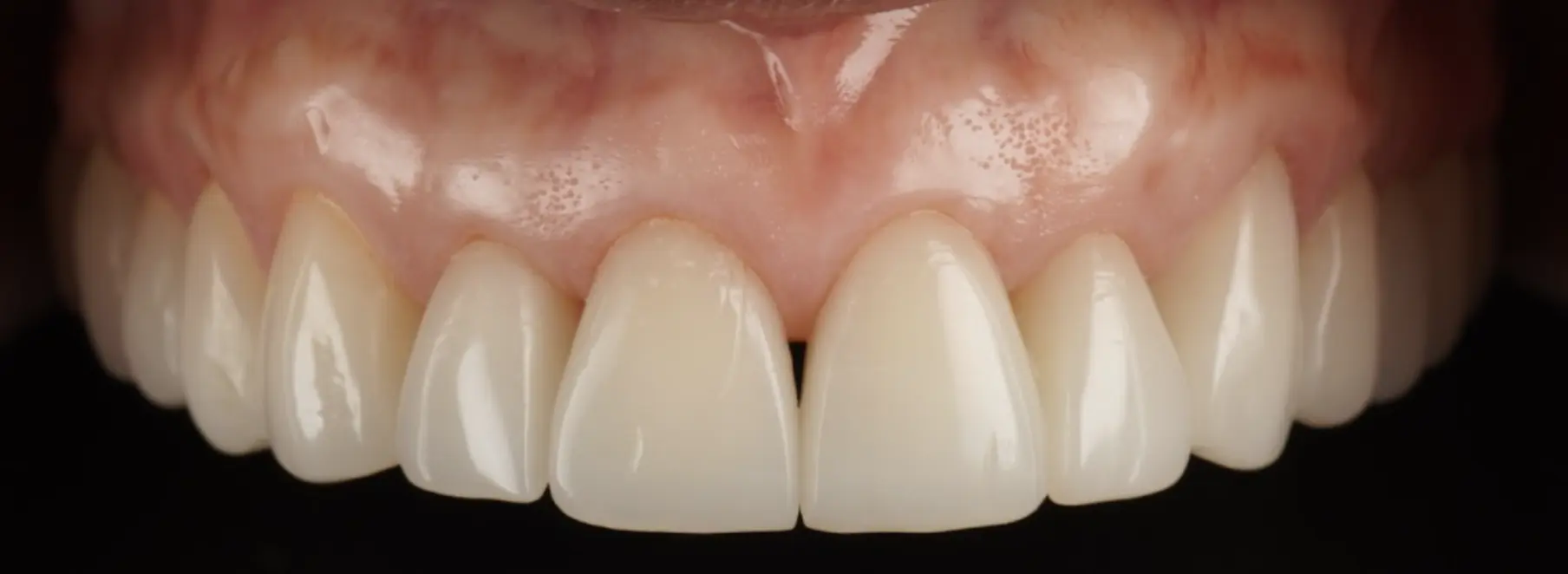
Temporary crowns on frontal teeth, changing old composite restorations (before and after)
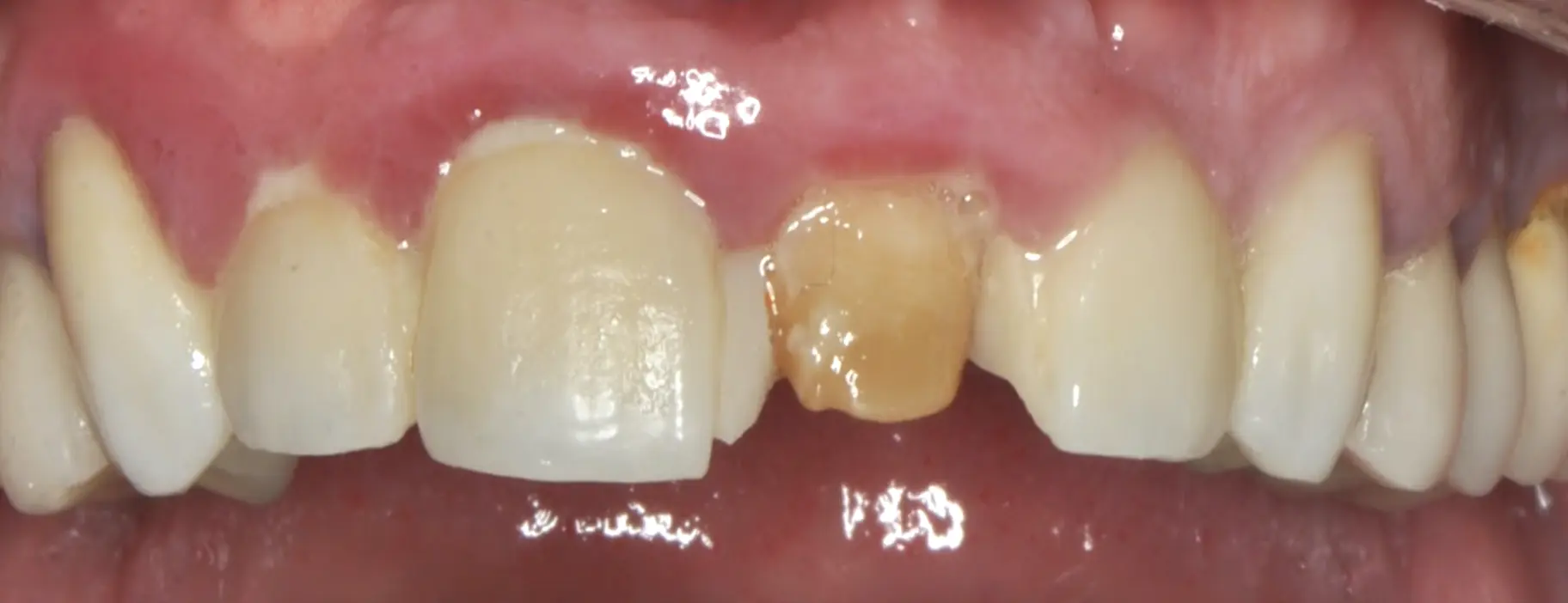
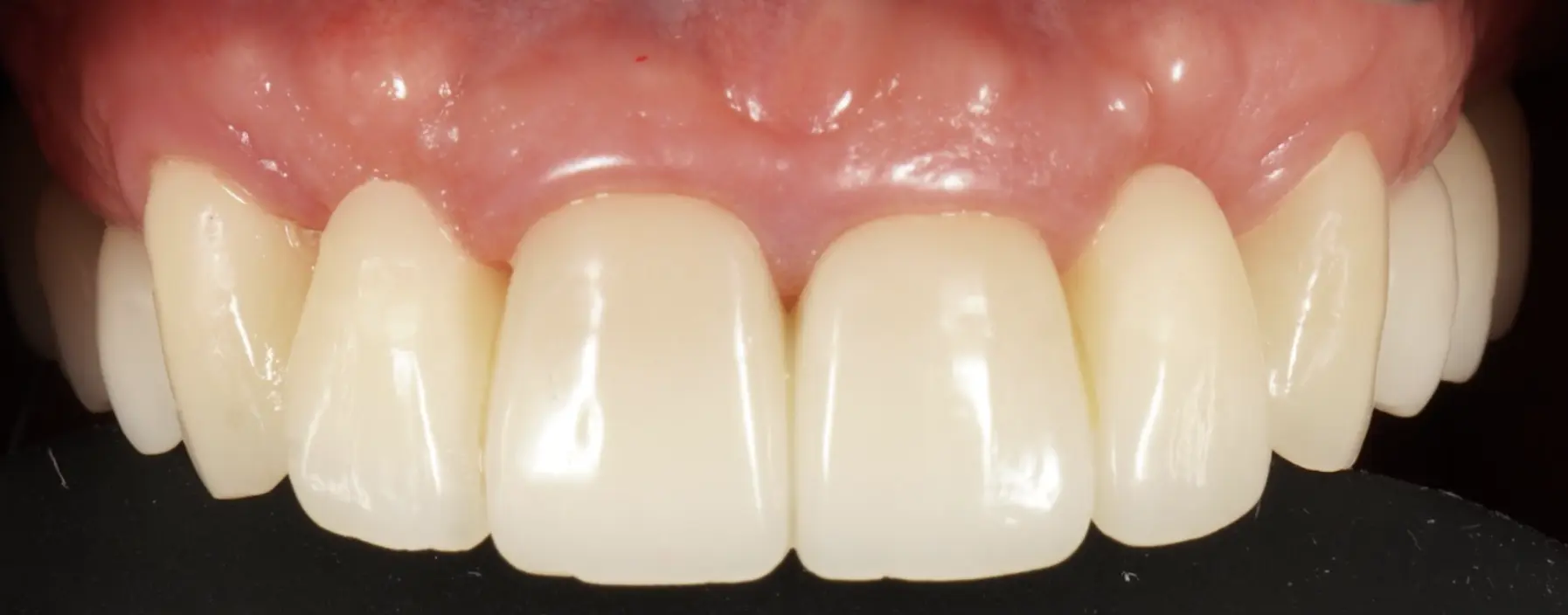
Temporary crowns on frontal teeth, changing old ceramic restorations, stabilisation of the gum's health (before and after)
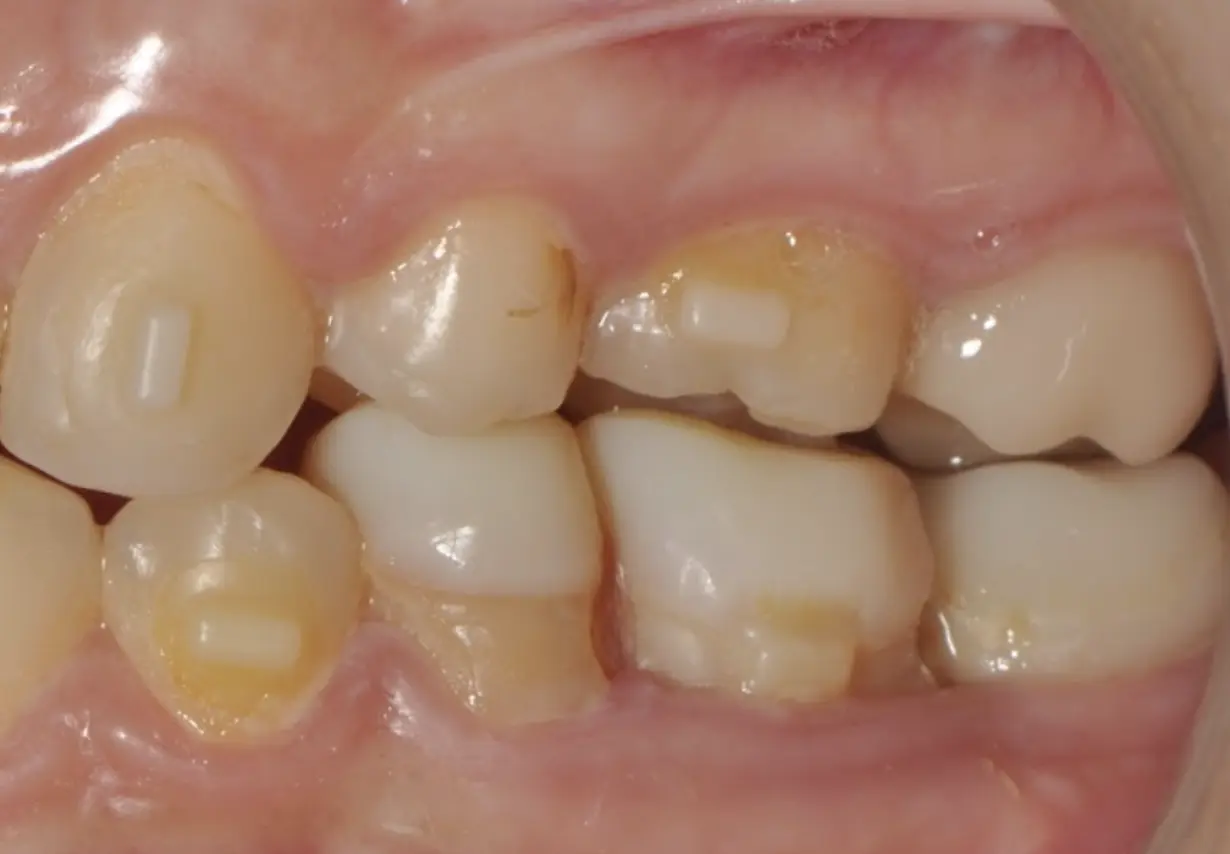
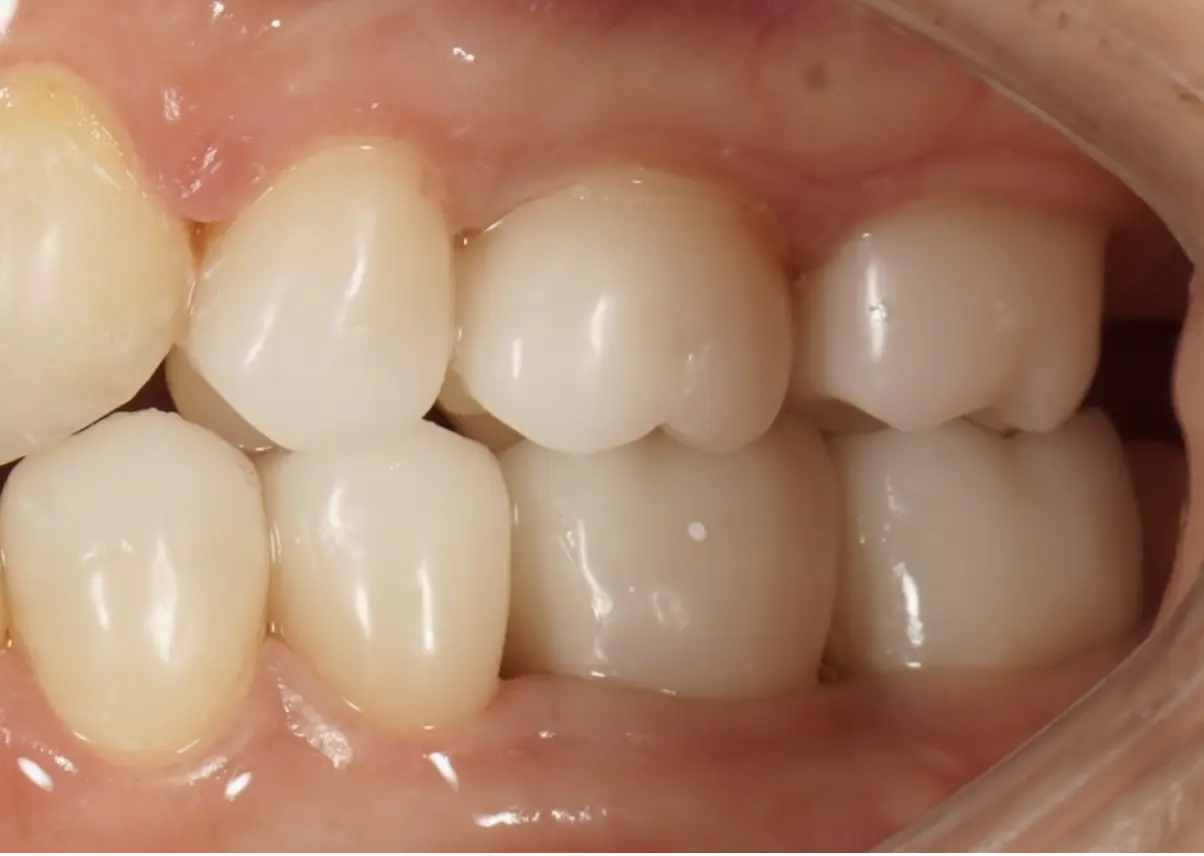
Temporary crowns on posterior teeth, changing old composite restorations, composite onlays (before and after)
Final rehabilitation
This last rehabilitation will be conducted once all temporary steps successfully passed. Only then, the definitive prosthetics will be set in the previously determined position.
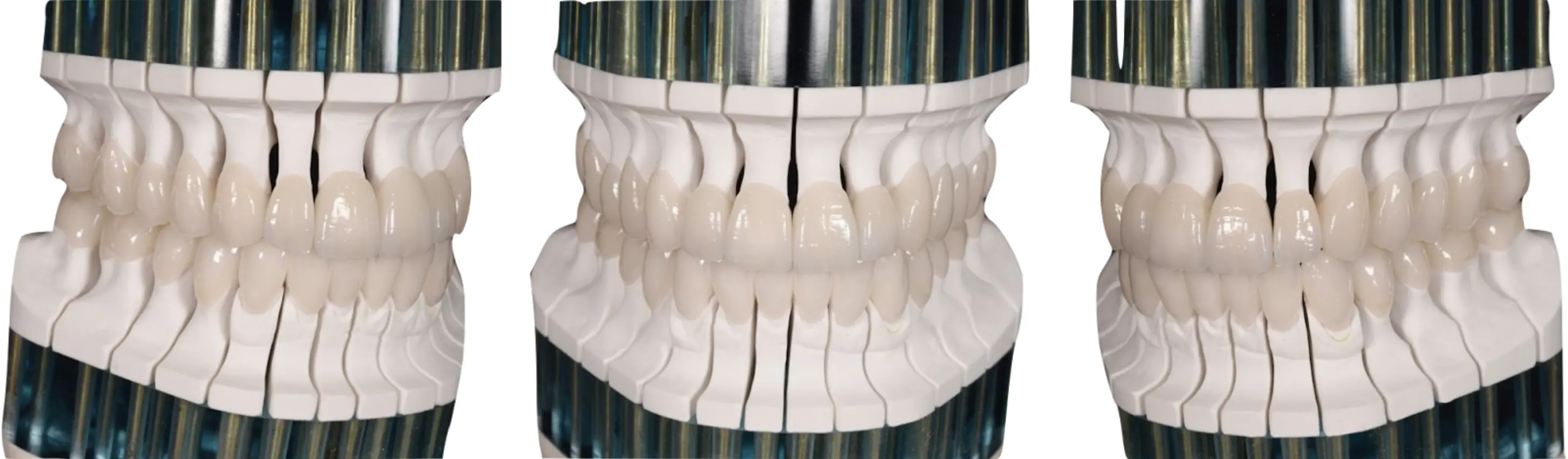
Final hand-made ceramic restorations
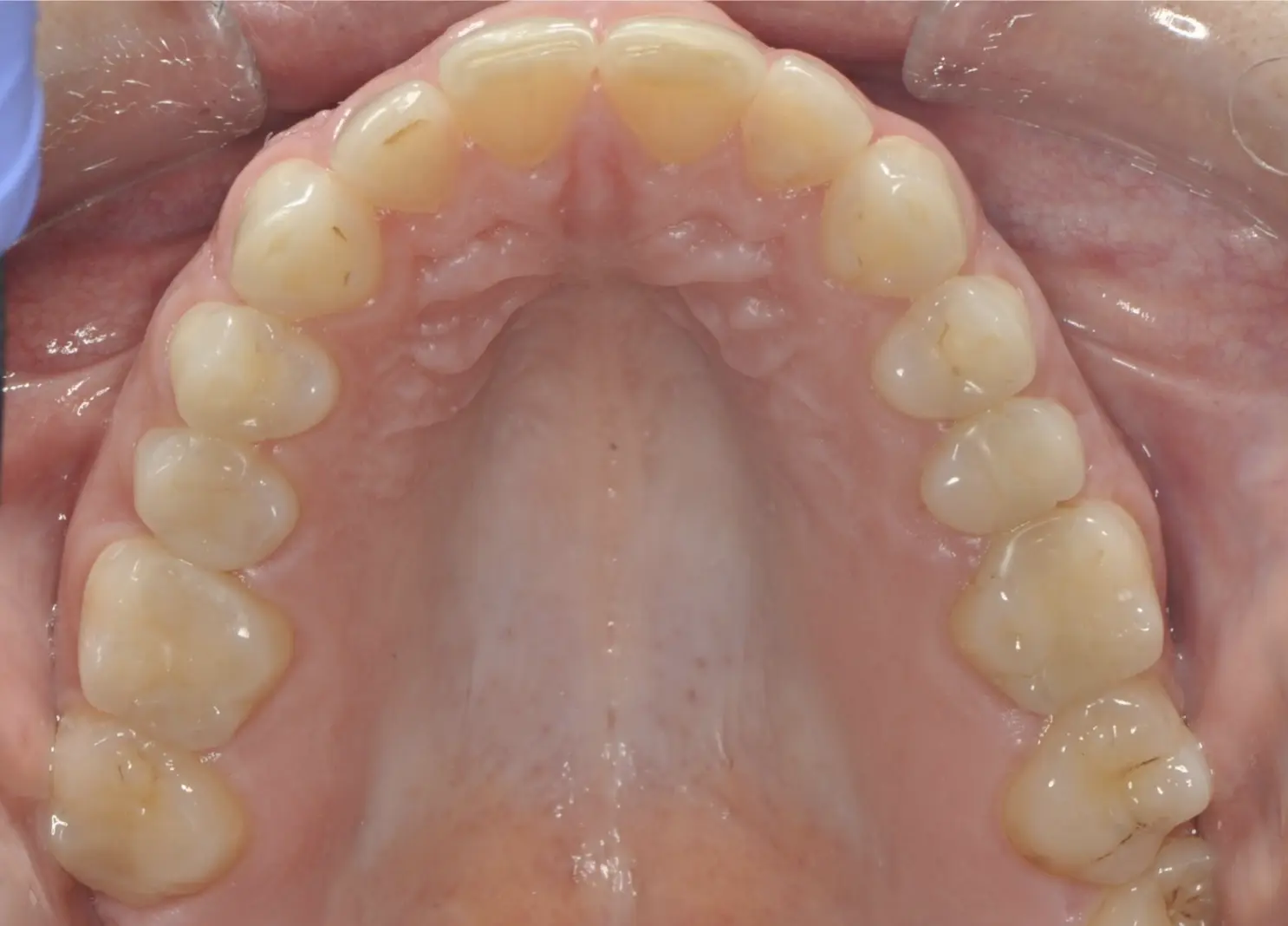
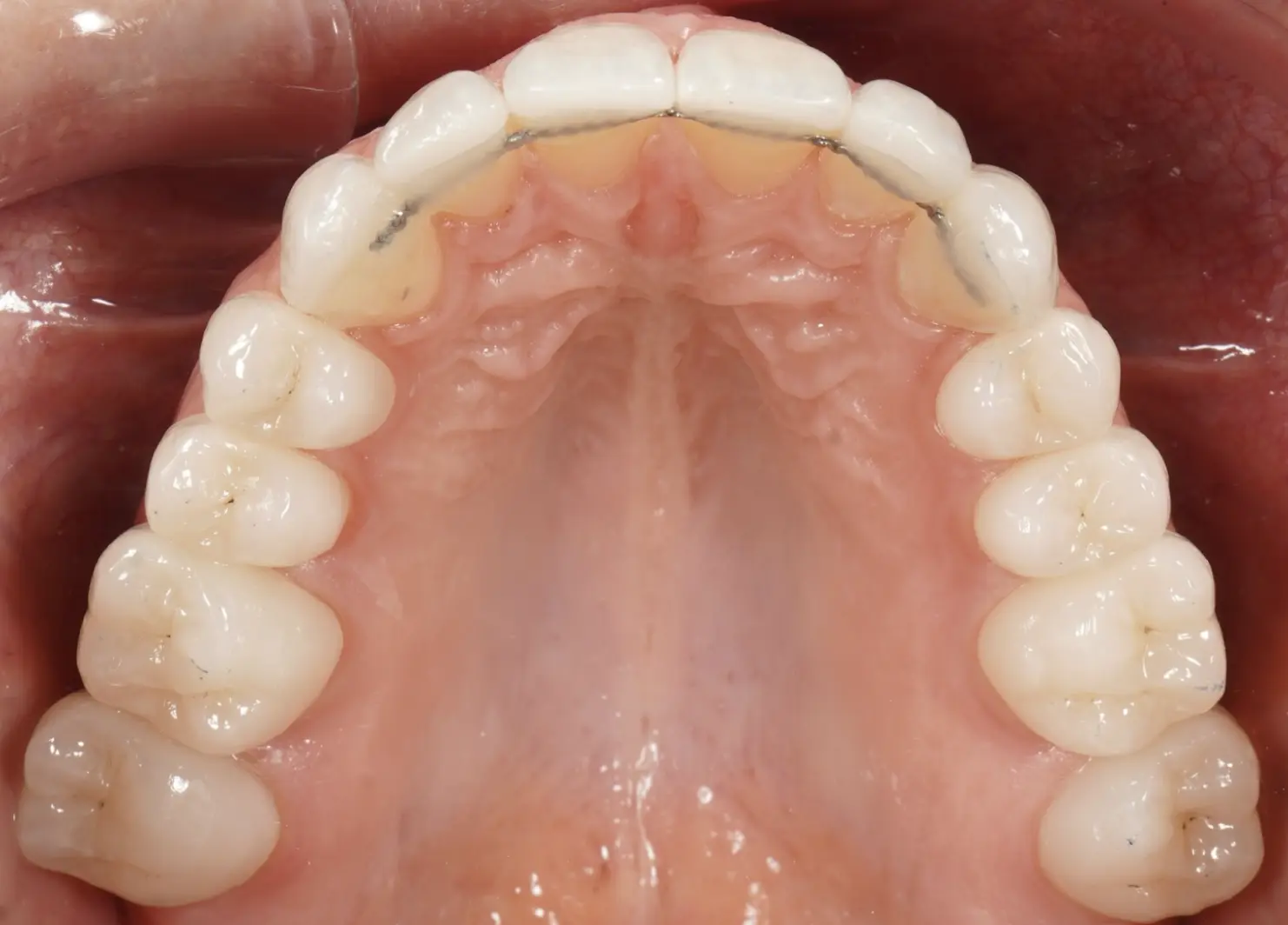
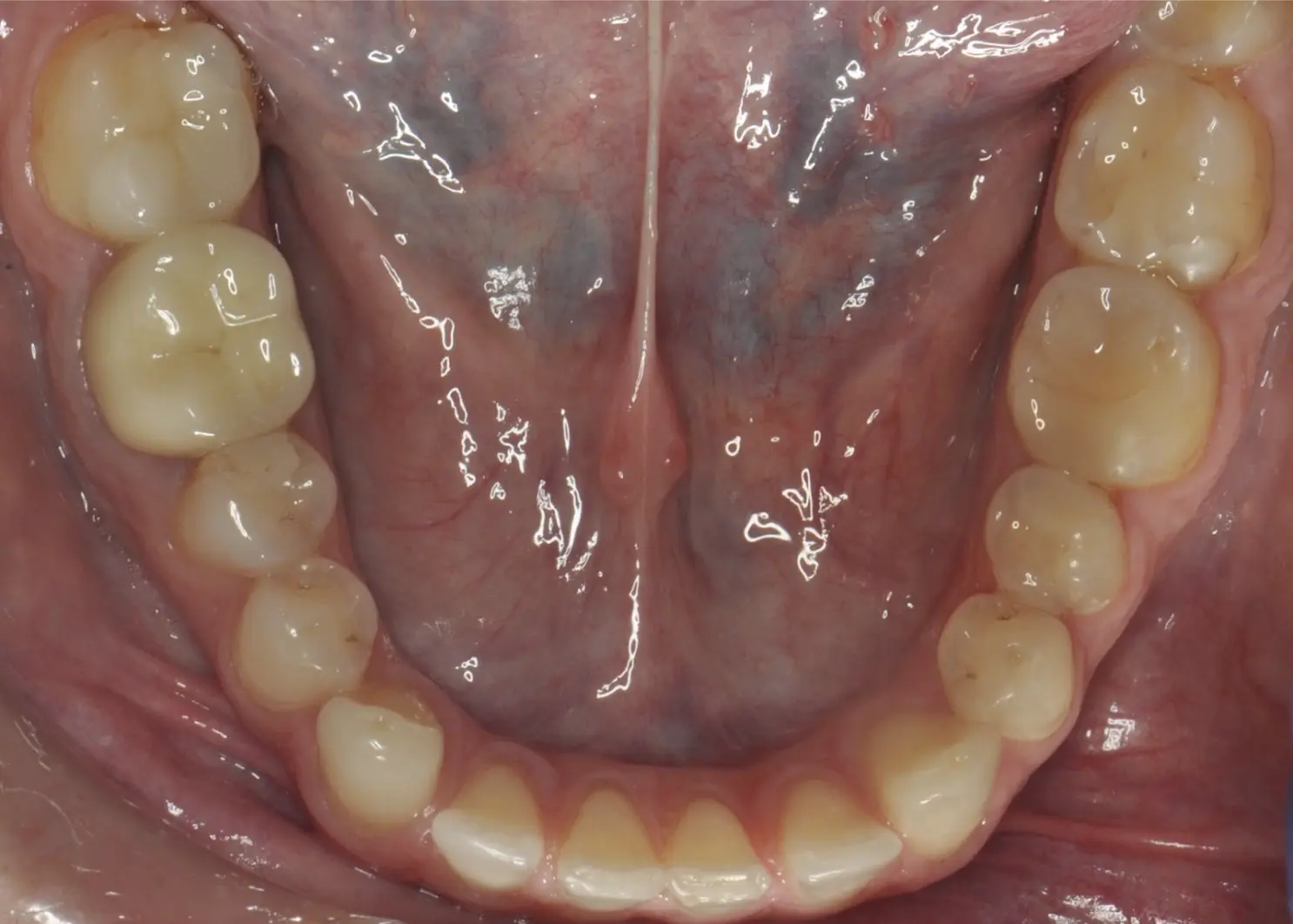
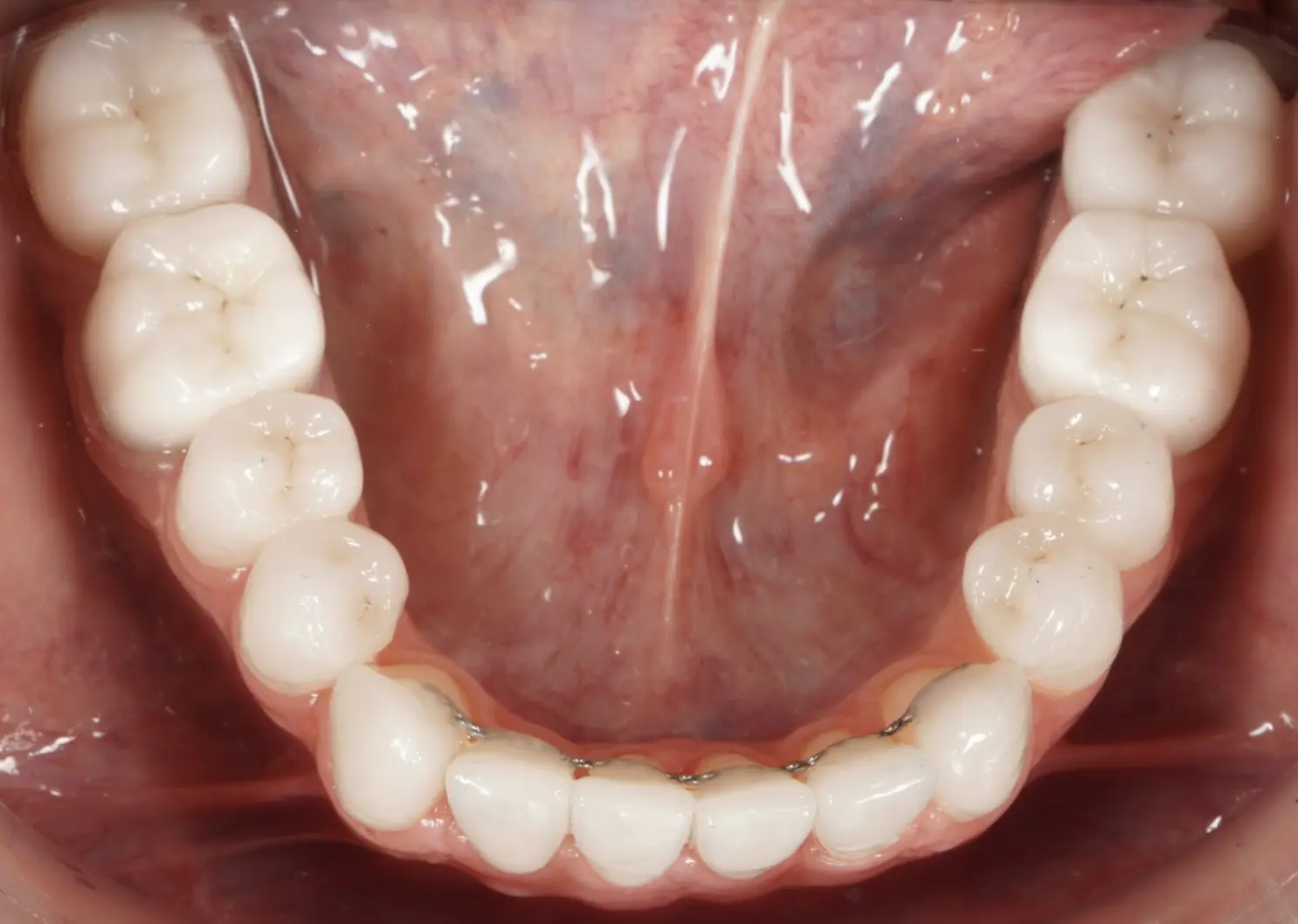
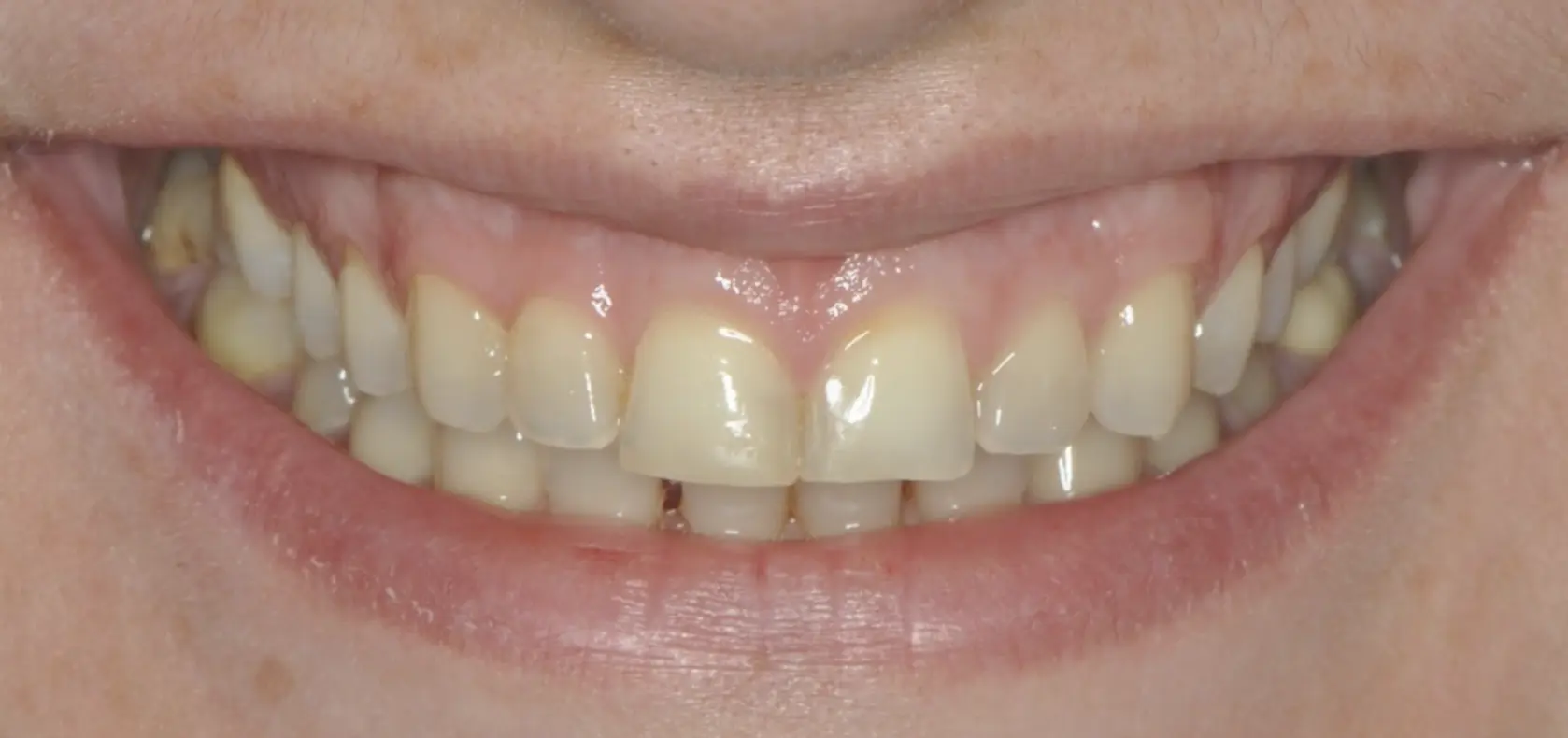
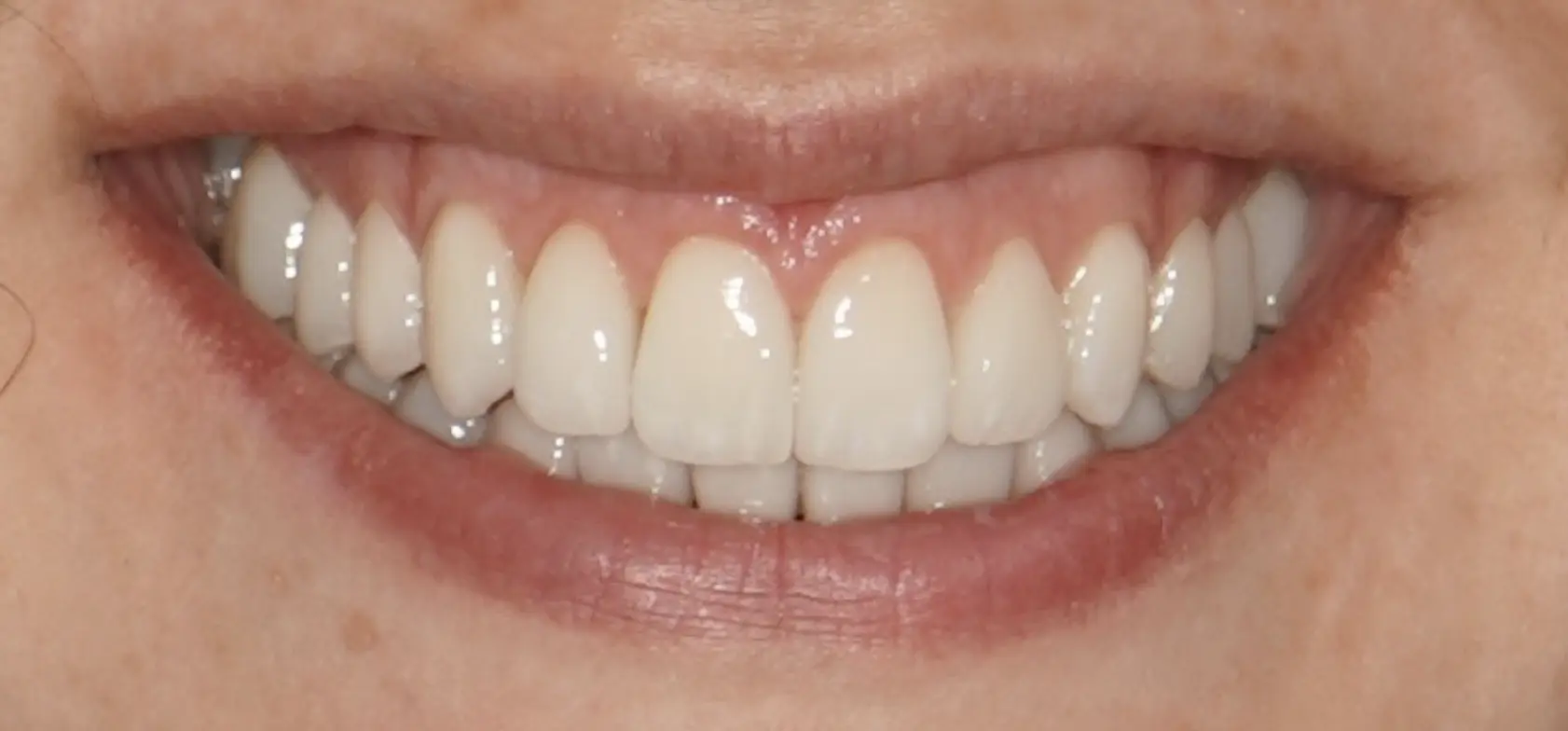
Before and after definitive ceramic restorations (crowns, veneers)