TMJ Disorders
Functional solutions to treat the root-cause of TMJ disorders.
Dysfunctions of the temporomandibular joint affect people globally, with some estimates suggesting that one in three persons may present some form of TMJ symptoms (headaches, joints’ pain, clicking or blocked jaw, muscle soreness, degenerative diseases, etc.). Unfortunately, it still remains too common to see patients suffering from TMJ disorders get prescribed a lifetime of medications with physiotherapy. Unbeknownst to many, TMJ disorders are directly linked to a dysfunctional dental occlusion.
Approximately 85% of the patients we see suffer from TMJ disorders as a result of past, inadequate dental treatments. The others present an occlusal morphology naturally bound to lead to severe TMJ issues.
TMJ Symptoms
Cranio-mandibular system
Blocked jaw
TMJ cracking and popping
Difficulty chewing and swallowing
Limited mouth opening
Headaches (temporal, frontal, occipital, and parietal regions)
Muscle tension (masticatory, neck, and back muscles)
Teeth & soft tissues
Increased tooth wear, enamel chips, abfraction defects
Cracks and fractures of both the root and the crown of teeth
Teeth clenching and grinding, destructive bruxism
Gum recessions, bone pockets, increased sensitivity to sweet, sour, and cold
General health
Respiratory distress, obstructive sleep apnea, snoring
Speech impairment
Ear congestion, hearing loss, ear pain
Retro-orbital pain, progressive vision loss
Dizziness
Postural disorders
Sleep disorders
Vagus and glossopharyngeal nerve damage
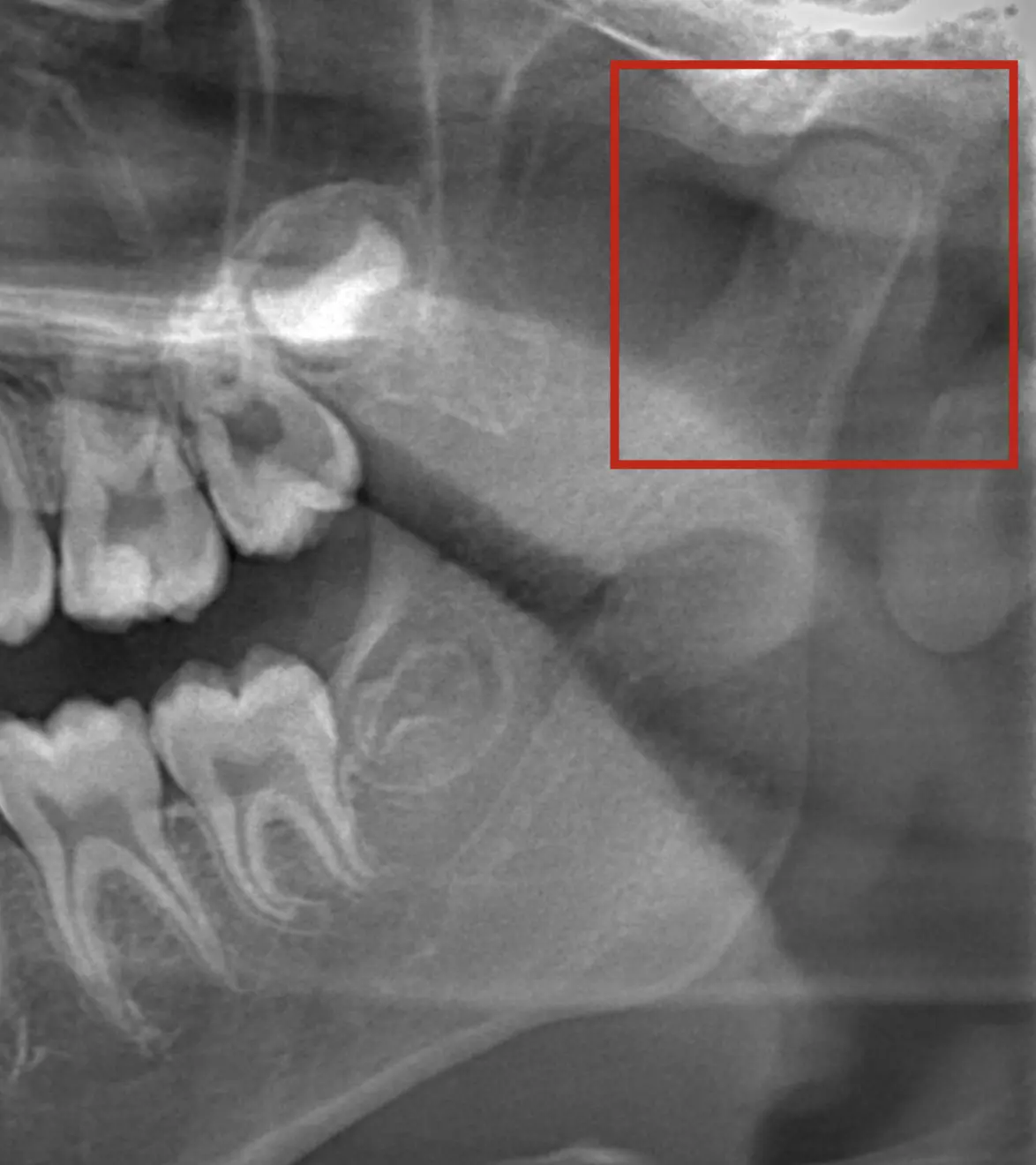
Healthy TMJ
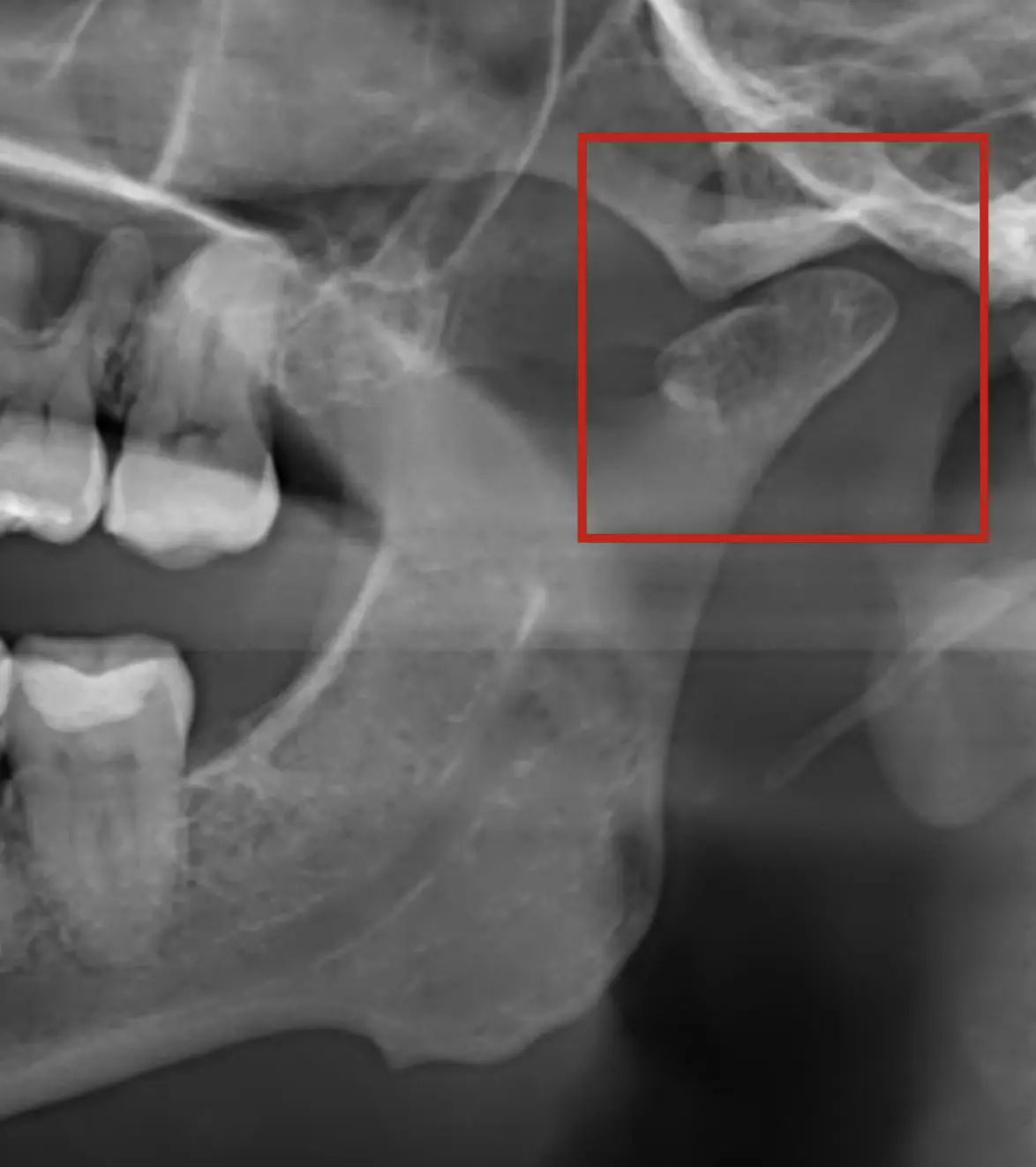
Arthritic TMJ
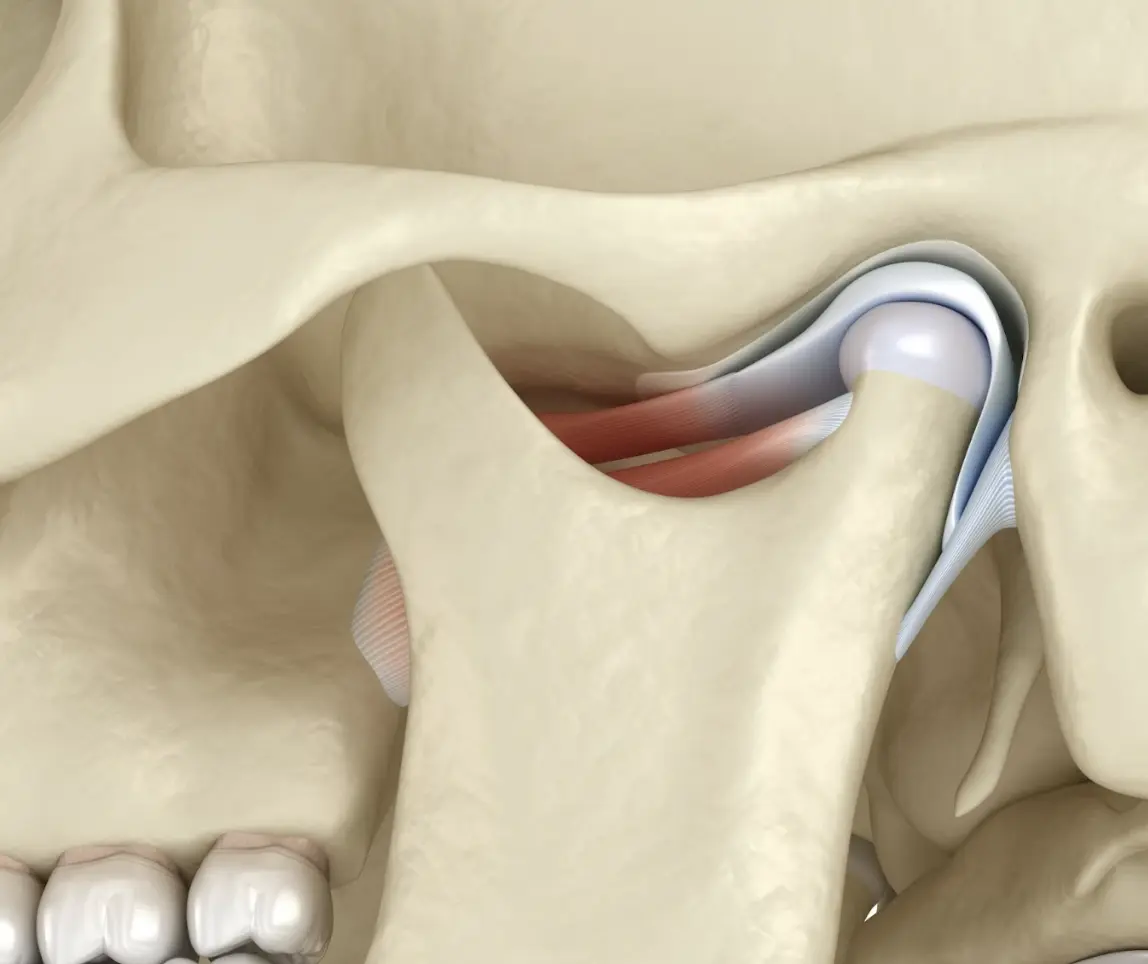
Healthy TMJ
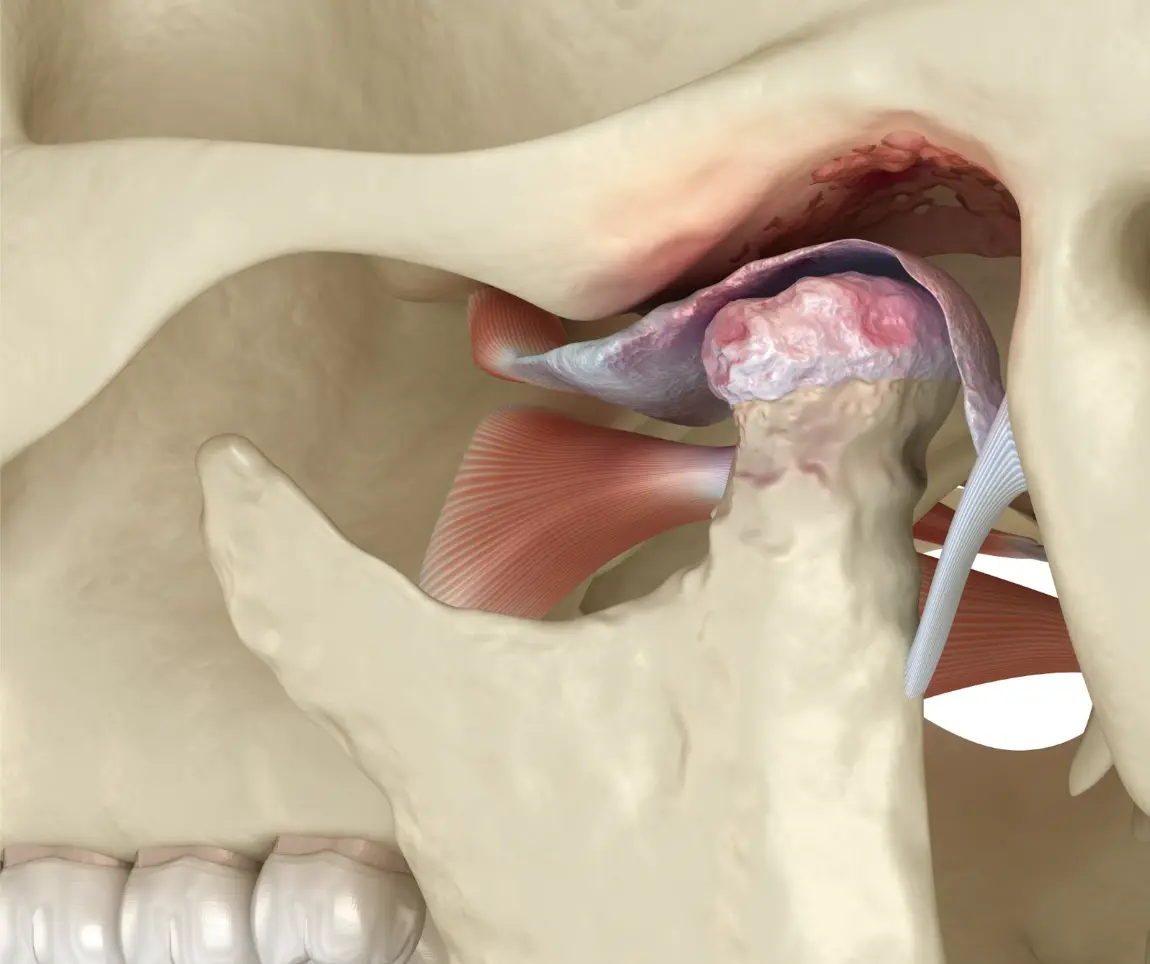
Arthritic TMJ
Diagnostic
We assess the severity and type of TMJ disorders through a comprehensive functional diagnostic, which includes muscle palpations, articulator-mounted casts analyses, occlusograms, brux-checkers, CBCT, MRI when required, and a condylography. Only once the diagnosis clearly established, can we define an optimal and individualised treatment plan.
Treatment
The long-term solution to TMJ disorders generally involves a multi-disciplinary approach combining cranio-facial functional orthodontics with prosthodontic rehabilitations. Each solution must be designed around the unique needs of each patient.